Introduction
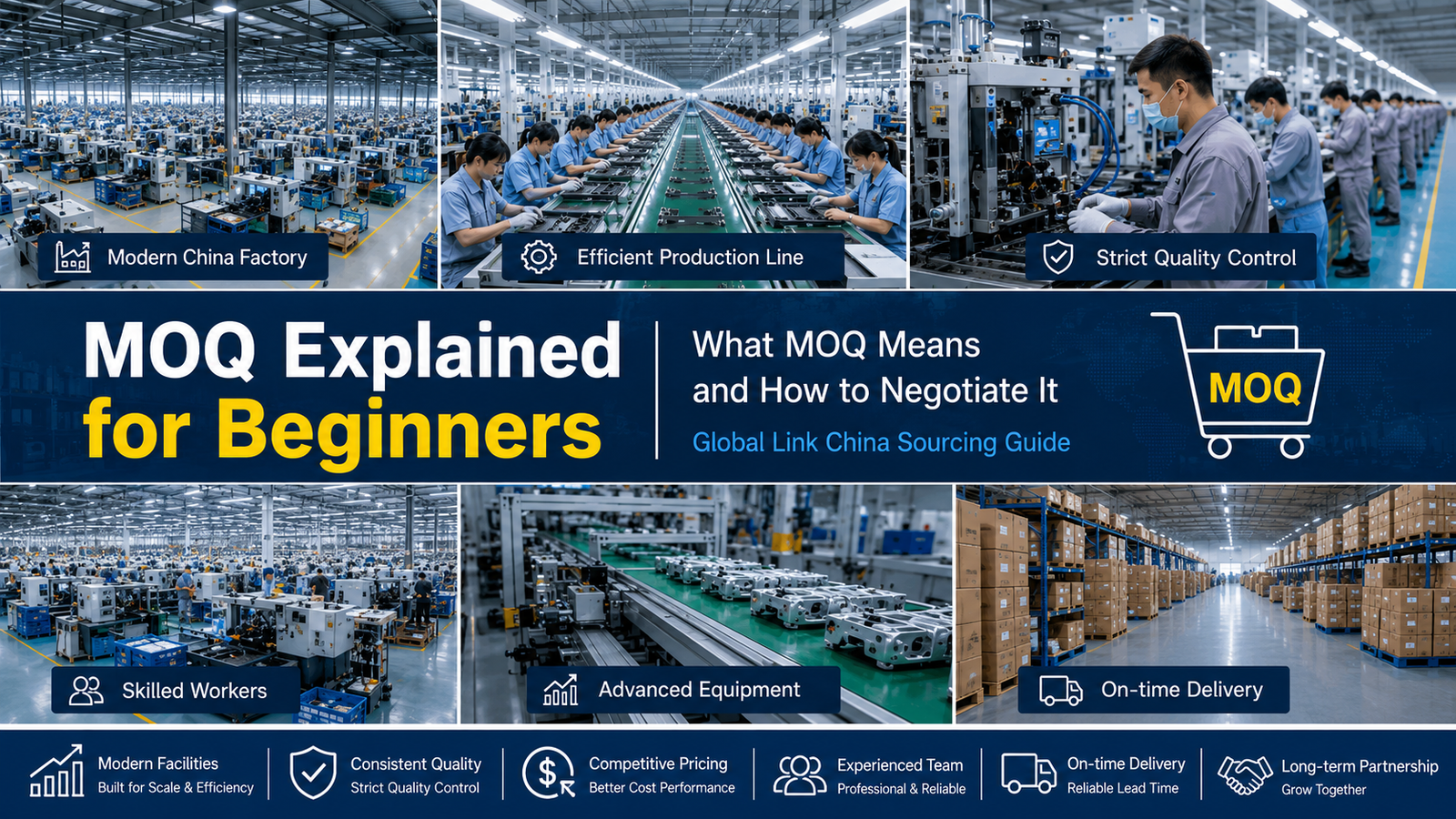
Understanding MOQ meaning is one of the first steps when sourcing products from China. MOQ (Minimum Order Quantity) affects pricing, supplier selection, inventory planning, and overall sourcing strategy.
Many buyers ask:
- Why is the MOQ so high?
- Can MOQ be negotiated?
- Can I place a smaller order?
- How do startups work with factories that require large volumes?
Understanding MOQ is important because it directly impacts pricing, inventory, cash flow, and supplier selection.
In this guide, we’ll explain what MOQ means, why factories require it, and how buyers can find practical solutions when MOQ becomes a challenge.
What Does MOQ Meaning Actually Refer To?
MOQ meaning refers to the minimum order quantity a supplier requires before accepting production or sales orders. When sourcing products from China, understanding MOQ meaning is essential because it affects pricing, inventory planning, supplier selection, and cash flow management.
For example:
| MOQ Requirement | Meaning |
|---|---|
| MOQ 500 pcs | Minimum order is 500 units |
| MOQ 1,000 pcs | Production starts from 1,000 units |
If your order quantity is below the MOQ, suppliers may:
- Decline the order
- Increase the unit price
- Limit customization options
- Recommend alternative products
There is no universal MOQ. Different factories have different requirements depending on materials, production processes, and capacity.
Why MOQ Requirements Exist in China Manufacturing?
Many first-time buyers assume factories simply want bigger orders.
In reality, MOQ exists because of production economics.
The most common reasons include:
Raw Material MOQ Requirements
Many factories purchase materials in bulk.
For example:
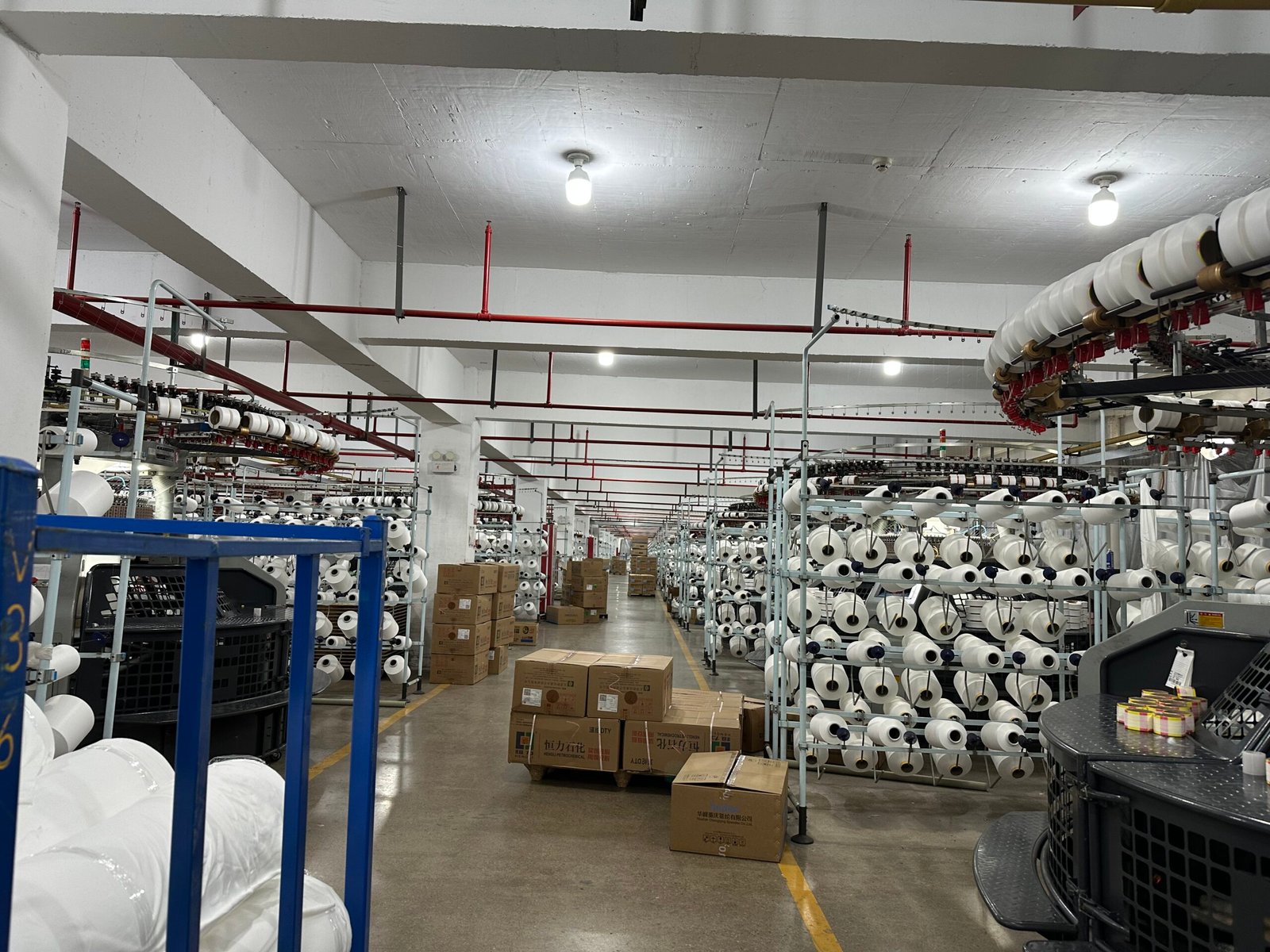
- Fabric mills sell fabric by roll
- Packaging suppliers require minimum print quantities
- Component suppliers have their own MOQ requirements
As a result, factories often inherit MOQ requirements from upstream suppliers.
Machine Setup Costs
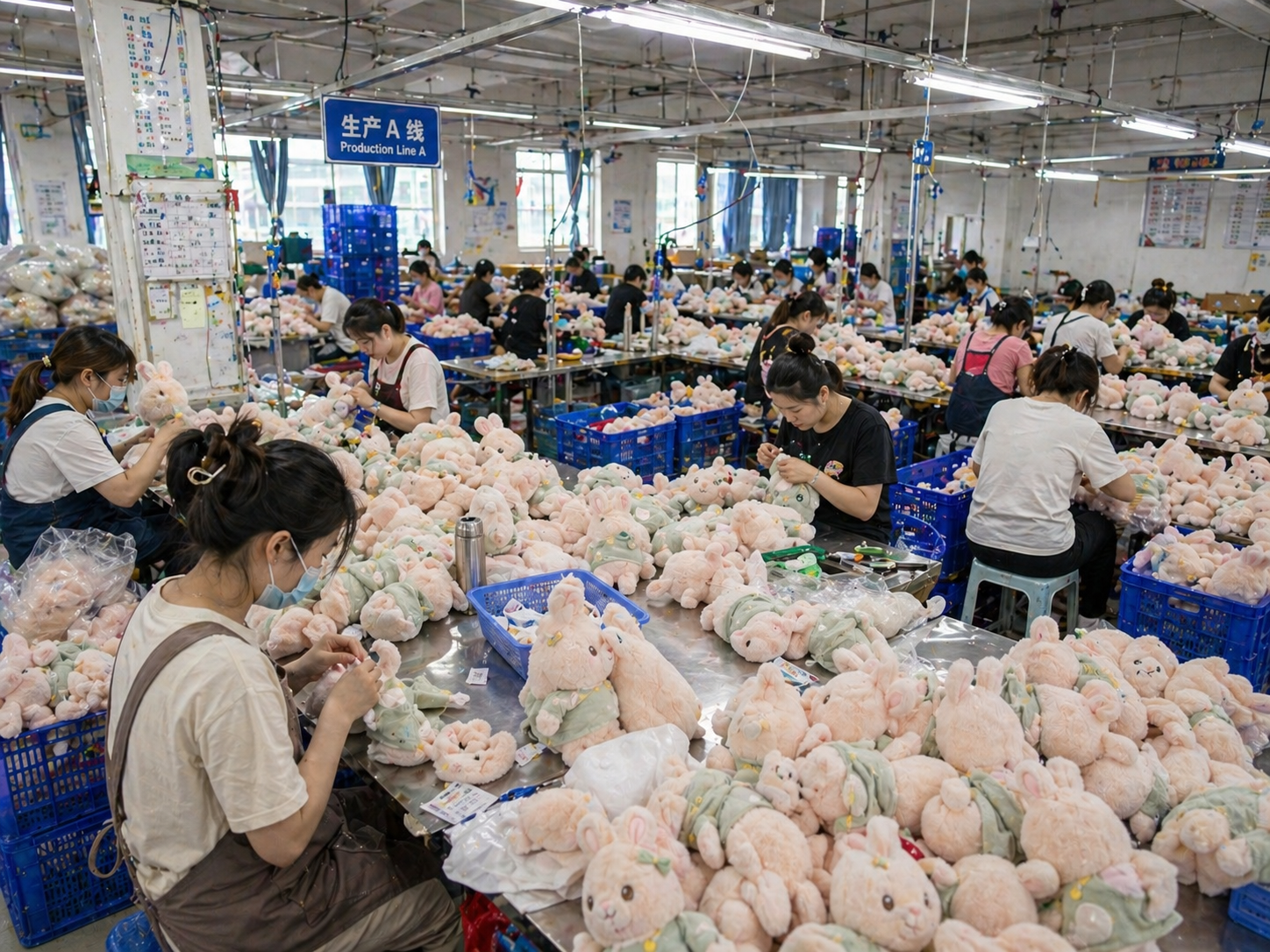
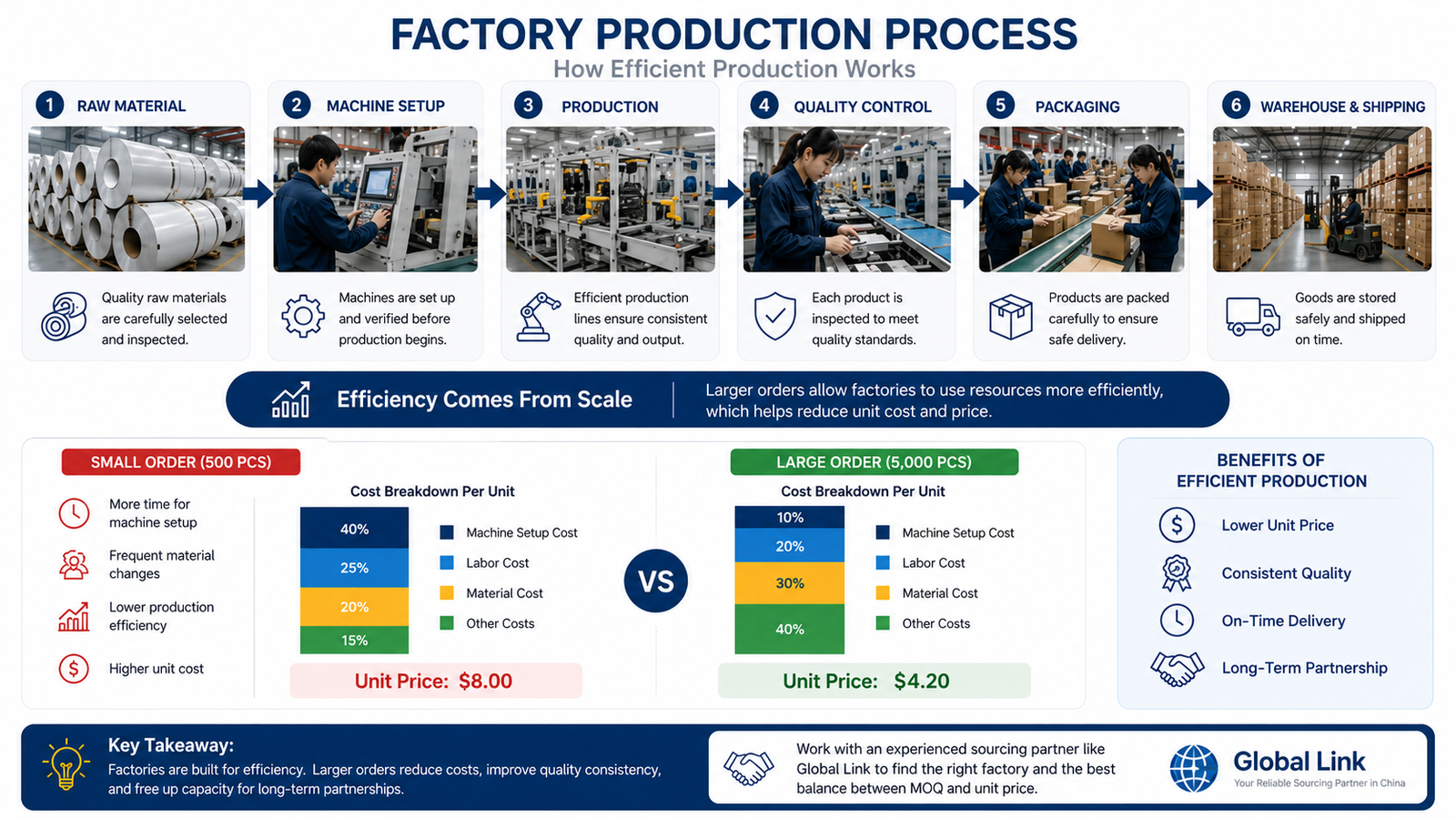
Whether producing 500 units or 5,000 units, machines still need to be set up.
Factories prefer larger orders because setup costs can be spread across more products.
Production Efficiency and Labor Costs
Large production runs are more efficient.
Small orders create:
- Production interruptions
- Material changes
- Additional management costs
This is why factories generally favor higher-volume orders.
Typical MOQ Meaning Examples Across Different Industries
MOQ varies significantly by industry.
| Product Category | Typical MOQ |
|---|---|
| Yoga Leggings | 300-1000 pcs |
| Stainless Steel Bottles | 500-2000 pcs |
| Packaging Boxes | 3000-5000 pcs |
| Promotional Products | 500-2000 pcs |
Customization usually increases MOQ because additional materials, labels, molds, or packaging are required.
Can MOQ Requirements Be Negotiated?
The short answer is:
Sometimes.
Factories may reduce MOQ if:
- You use standard materials
- You reduce customization
- You accept a higher unit price
- You plan future repeat orders
However, MOQ should not be viewed as an obstacle to overcome at all costs.
In some cases, understanding whether you are dealing directly with a manufacturer or a trading company can also affect MOQ flexibility. Learn more in our Factory vs Trading Company in China guide.
Forcing factories to accept unrealistic quantities often leads to:
- Delays
- Poor communication
- Low production priority
The goal is not simply reducing MOQ.
The goal is finding the most cost-effective sourcing solution.
Understanding MOQ meaning also helps buyers negotiate more effectively with suppliers.
MOQ Meaning vs Unit Price: What Buyers Should Understand
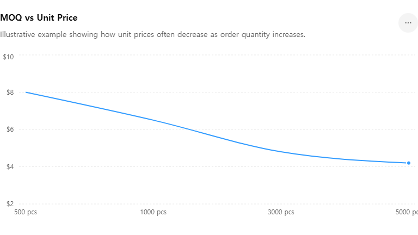
One of the most misunderstood aspects of MOQ meaning is the relationship between order quantity and pricing.
In most cases:
| Quantity | Unit Price |
|---|---|
| 500 pcs | $8.00 |
| 1,000 pcs | $6.50 |
| 3,000 pcs | $4.80 |
| 5,000 pcs | $4.20 |
Larger orders typically reduce unit costs.
However, lower pricing does not always mean lower risk.
Ordering too much inventory can create:
- Cash flow pressure
- Warehouse costs
- Slow-moving inventory
Successful buyers focus on balancing:
- MOQ
- Unit cost
- Inventory risk
- Sales forecast
How to Handle High MOQ Requirements When Sourcing from China
High MOQ requirements are one of the most common challenges faced by startups, Amazon sellers, and growing brands sourcing from China.
The good news is that a high MOQ does not always mean a project is impossible. In many cases, buyers can reduce MOQ requirements or find alternative solutions by adjusting their sourcing strategy.
Here are several practical ways to handle high MOQ requirements when working with Chinese suppliers.
Use Existing Materials
One of the most effective ways to reduce MOQ requirements is to use materials already available in the factory’s inventory.
Custom materials often increase MOQ requirements because factories must purchase specific fabrics, colors, packaging, or components in bulk quantities.
One way to reduce MOQ is to use materials that are already available in the factory’s inventory.
For example:
- Select existing fabric colors instead of custom dyeing
- Use standard packaging instead of custom printed boxes
- Choose stock components already used in other production runs
By using existing materials, buyers can often access lower MOQs while still maintaining acceptable product quality and appearance.
Reduce Customization
Custom features often increase MOQ requirements because factories need additional materials and setup processes.
The more customization a product requires, the higher the MOQ is likely to be.
Factories often need to create:
- Custom labels
- Printed logos
- Special packaging
- Unique product designs
Each customization step increases production complexity and cost.
For buyers testing a new market, starting with simpler customization can be a practical approach. Once sales volume grows, additional customization can be introduced in future orders.
This strategy helps reduce inventory risk while validating market demand.
Work With Smaller Factories
Some smaller factories offer more flexible MOQ requirements than large-scale manufacturers.
Large factories often focus on high-volume production and may not be interested in small orders.
Smaller factories, on the other hand, are sometimes more flexible with MOQ requirements because they are actively seeking new customers and smaller production opportunities.
However, buyers should still evaluate:
- Production capacity
- Quality control systems
- Delivery performance
- Factory credentials
A lower MOQ should never come at the expense of product quality or supplier reliability.
Consider Product Testing Before Scaling
Many successful brands do not begin with large production orders.
Instead, they start with a smaller quantity to test:
- Market demand
- Product performance
- Customer feedback
- Sales channels
Once the product is validated, larger orders can be placed to achieve better pricing and production efficiency.
This approach helps buyers balance MOQ requirements with cash flow and inventory management.
Partner With a Sourcing Company
A sourcing company can often help buyers negotiate MOQ requirements or identify factories with lower minimum order quantities.
Working with an experienced sourcing company can often help buyers find solutions that are not immediately available through direct factory communication.
A sourcing company may help by:
- Negotiating more flexible MOQ terms
- Finding factories with lower MOQ requirements
- Identifying alternative materials
- Consolidating orders from multiple suppliers
- Verifying supplier credibility
For buyers who are new to China sourcing, professional sourcing support can reduce both risk and unnecessary costs.
Focus on Total Cost, Not Just MOQ
Many buyers focus only on reducing MOQ. However, MOQ is just one factor in the sourcing process.
The most successful importers evaluate:
- Unit cost
- Shipping cost
- Inventory risk
- Cash flow impact
- Supplier reliability
A slightly higher MOQ from a reliable factory may ultimately create fewer problems than choosing the lowest-MOQ supplier available.
When sourcing from China, the goal should not simply be finding the lowest MOQ. The goal should be finding the most sustainable and cost-effective supply chain for long-term business growth.
Finding Low MOQ Suppliers in China for New Brands
Many startups, Amazon sellers, and growing brands search for low MOQ suppliers in China because they want to test products before committing to larger production runs.
While finding suppliers with lower MOQ requirements is possible, buyers should understand that the lowest MOQ is not always the best sourcing solution.
A supplier offering a very low MOQ may have:
– Higher unit prices
– Limited customization options
– Lower production capacity
– Less experience with export markets
For this reason, buyers should evaluate suppliers based on overall value rather than MOQ alone.
In addition, buyers should verify whether they are working directly with a factory or through a trading company, as this can significantly impact MOQ flexibility, pricing, and production capabilities. Learn more in our Factory vs Trading Company in China guide.
Supplier verification is equally important when searching for low MOQ suppliers. Before placing an order, buyers should confirm the supplier’s business registration, production capabilities, and export experience. Read our complete guide on How to Verify Suppliers in China.
Where to Find Low MOQ Suppliers in China
Several sourcing channels may help buyers find suppliers willing to accept smaller orders:
Many Alibaba suppliers offer lower MOQ requirements, particularly for standard products or stock items. However, buyers should still verify supplier credentials before placing an order.
Trading Companies
Trading companies often work with multiple factories and may be able to consolidate orders, making lower quantities possible for buyers.
Smaller Manufacturers
Compared with large-scale factories, smaller manufacturers are often more flexible when accepting new customers and small production runs.
Sourcing Companies
Experienced sourcing companies can help identify factories that match a buyer’s budget, order quantity, and customization requirements.
Questions Buyers Should Ask About MOQ
Before choosing a supplier, it is helpful to ask:
- Is the MOQ based on product quantity or order value?
- Does customization increase MOQ requirements?
- Can different colors or models be mixed within the MOQ?
- Is there a trial order option available?
- Will larger future orders help reduce MOQ restrictions?
These questions can help buyers better understand the supplier’s flexibility and avoid misunderstandings later in production.
Low MOQ Does Not Always Mean Lower Risk
Many first-time importers focus heavily on finding the lowest possible MOQ.
However, sourcing success depends on several factors, including:
- Product quality
- Supplier reliability
- Communication efficiency
- Production consistency
- Delivery performance
In many cases, a reliable factory with a slightly higher MOQ may provide a better long-term sourcing solution than a supplier offering extremely low minimum quantities.
The goal should not simply be finding the lowest MOQ supplier in China, but finding a supplier that can support sustainable business growth while balancing cost, quality, and inventory risk.
How Global Link Helps Buyers Overcome MOQ Challenges
Many startups and growing brands struggle because factory MOQ requirements exceed their budgets.
Global Link helps buyers by:
MOQ Negotiation
Communicating directly with suppliers to explore flexible production options.
Alternative Factory Sourcing
Finding factories that better match your target order quantity.
Order Consolidation
Combining similar orders from multiple buyers to meet factory requirements.
Supplier Verification
Confirming whether suppliers are genuine manufacturers, trading companies, or intermediaries.
Factory Audits & Quality Control
Reducing sourcing risk through factory inspections and quality control checks.
Final Thoughts
MOQ is one of the most important concepts when sourcing from China.
Rather than simply looking for the lowest MOQ, buyers should focus on finding the right balance between:
- Cost
- Inventory
- Cash flow
- Product testing
- Long-term growth
The right supplier can often be more valuable than the lowest MOQ.
Need Help Finding Low MOQ Suppliers in China?
Whether you’re launching a new product or scaling an existing brand, Global Link can help you:
✅ Find verified suppliers
✅ Negotiate MOQ requirements
✅ Conduct factory audits
✅ Manage quality inspections
✅ Reduce sourcing risks
Contact Global Link today and start sourcing from China with confidence.
FAQ About MOQ Meaning
MOQ means Minimum Order Quantity, which is the minimum quantity a supplier requires before accepting an order.
Factories use MOQ requirements to cover raw material costs, machine setup costs, and production efficiency.
In some cases, MOQ can be negotiated if buyers use standard materials, reduce customization, or accept higher unit prices.
Buyers can work with sourcing companies, choose standard products, consolidate orders, or find suppliers specializing in smaller production runs.