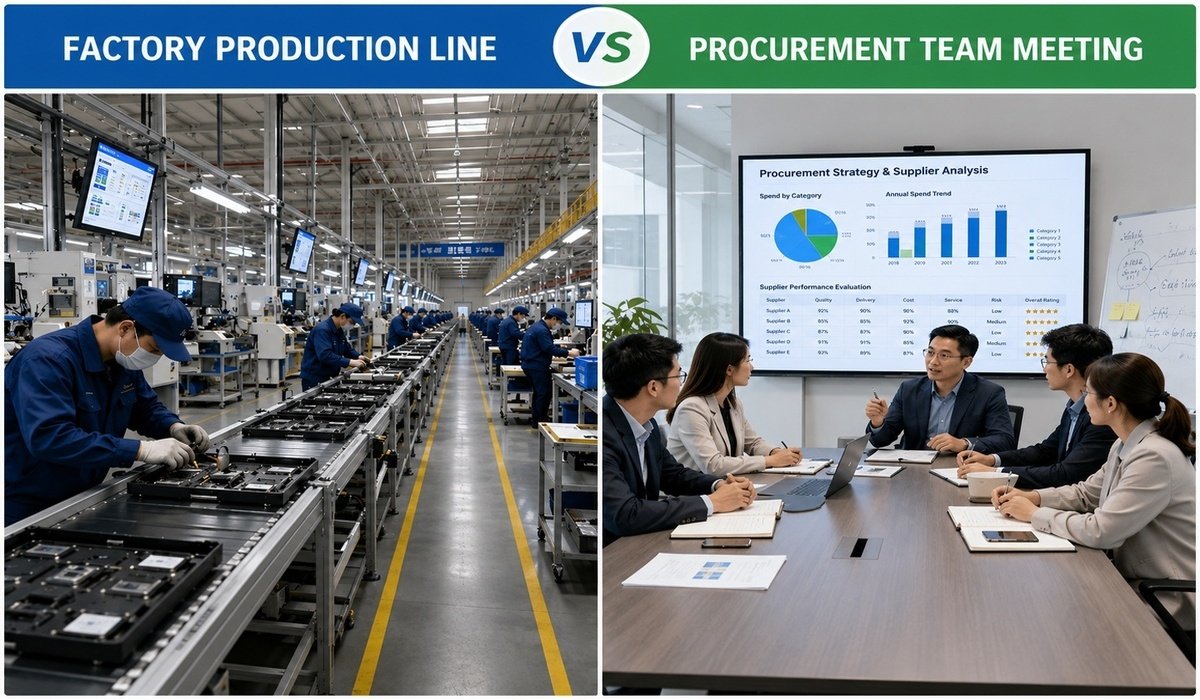
Factory vs Trading Company in China is one of the most common questions asked by importers sourcing products from China.
When sourcing from China, one of the most common questions buyers ask is:
Should I work directly with a China factory or a China trading company?
Many buyers assume factories always offer lower prices, while others prefer trading companies because they provide easier communication and sourcing support. In reality, there is no universal answer.
The right choice depends on your product, MOQ, sourcing experience, budget, and long-term business goals.
This guide explains the key differences between a factory and a trading company, common sourcing mistakes, and how to choose the right China supplier.
Understanding the advantages and disadvantages of each business model can help buyers make better sourcing decisions.
What Is a China Factory?
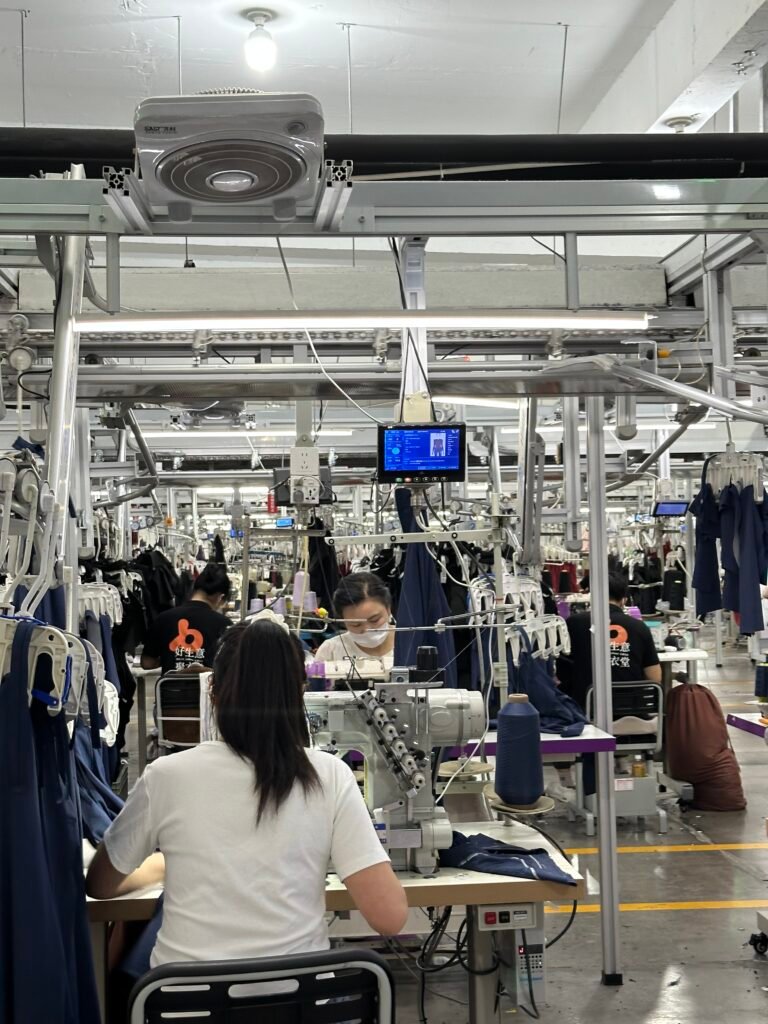
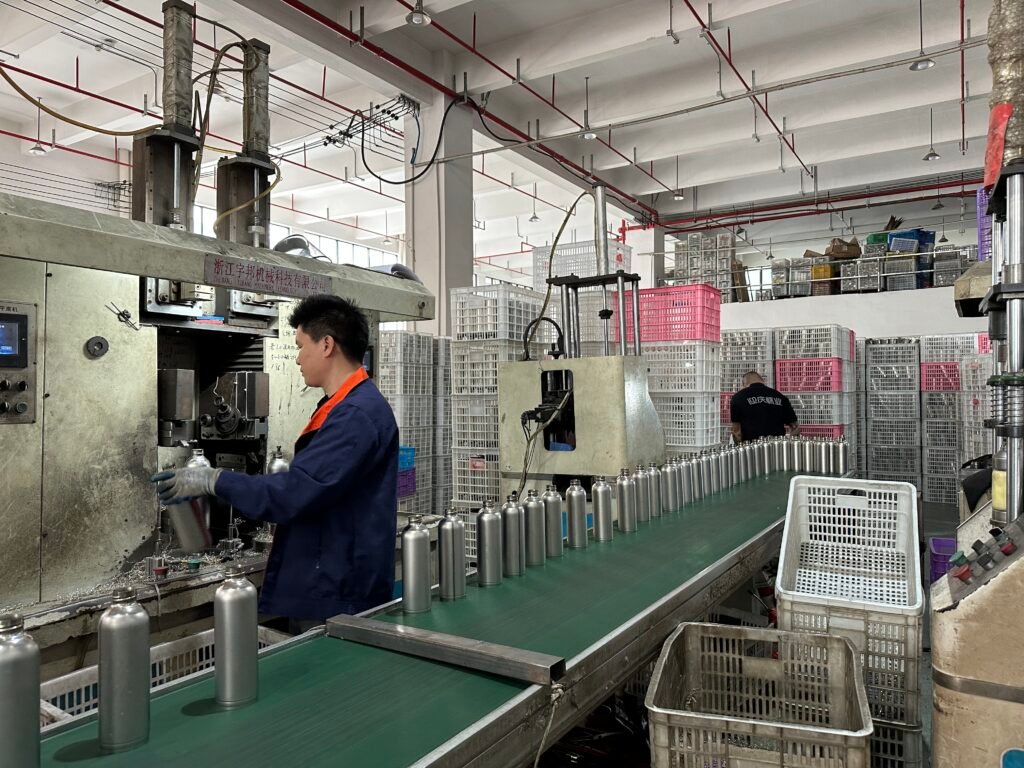
A factory manufactures products directly. It owns production equipment, employs workers, and manages the manufacturing process.
For example:
- Activewear factory → fabric cutting, sewing, labeling, packing
- Drinkware factory → molding, polishing, printing, assembly
Advantages
✅ Lower pricing for larger orders
✅ Better technical knowledge
✅ Direct production control
Disadvantages
❌ Higher MOQ requirements
❌ Limited product categories
❌ Communication can be difficult
Factories are often the best option for experienced buyers with stable order volumes.
What Is a China Trading Company?

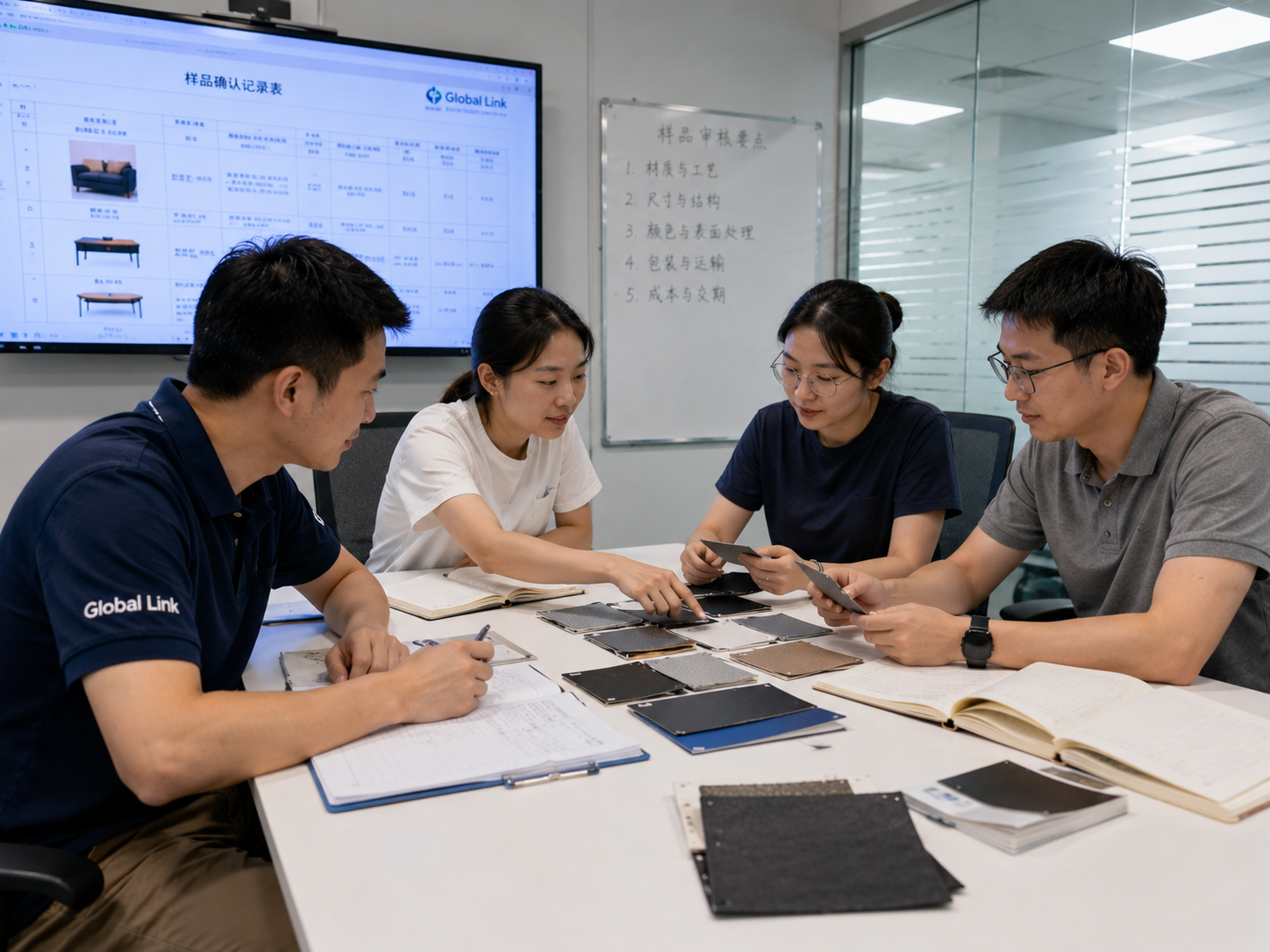
A trading company usually does not manufacture products itself.
Instead, it works with multiple factories and helps buyers manage sourcing, communication, quality control, and logistics.
Think of a trading company as a bridge between overseas buyers and Chinese manufacturers.
Advantages
✅ Easier communication
✅ Multiple product sourcing
✅ Lower MOQ options
✅ Supplier coordination
Disadvantages
❌ Additional service margin
❌ Quality depends on supplier management
❌ Some companies lack transparency
For startups and first-time importers, trading companies often reduce sourcing complexity.
Factory vs Trading Company: Which One Is Right for Your Business?
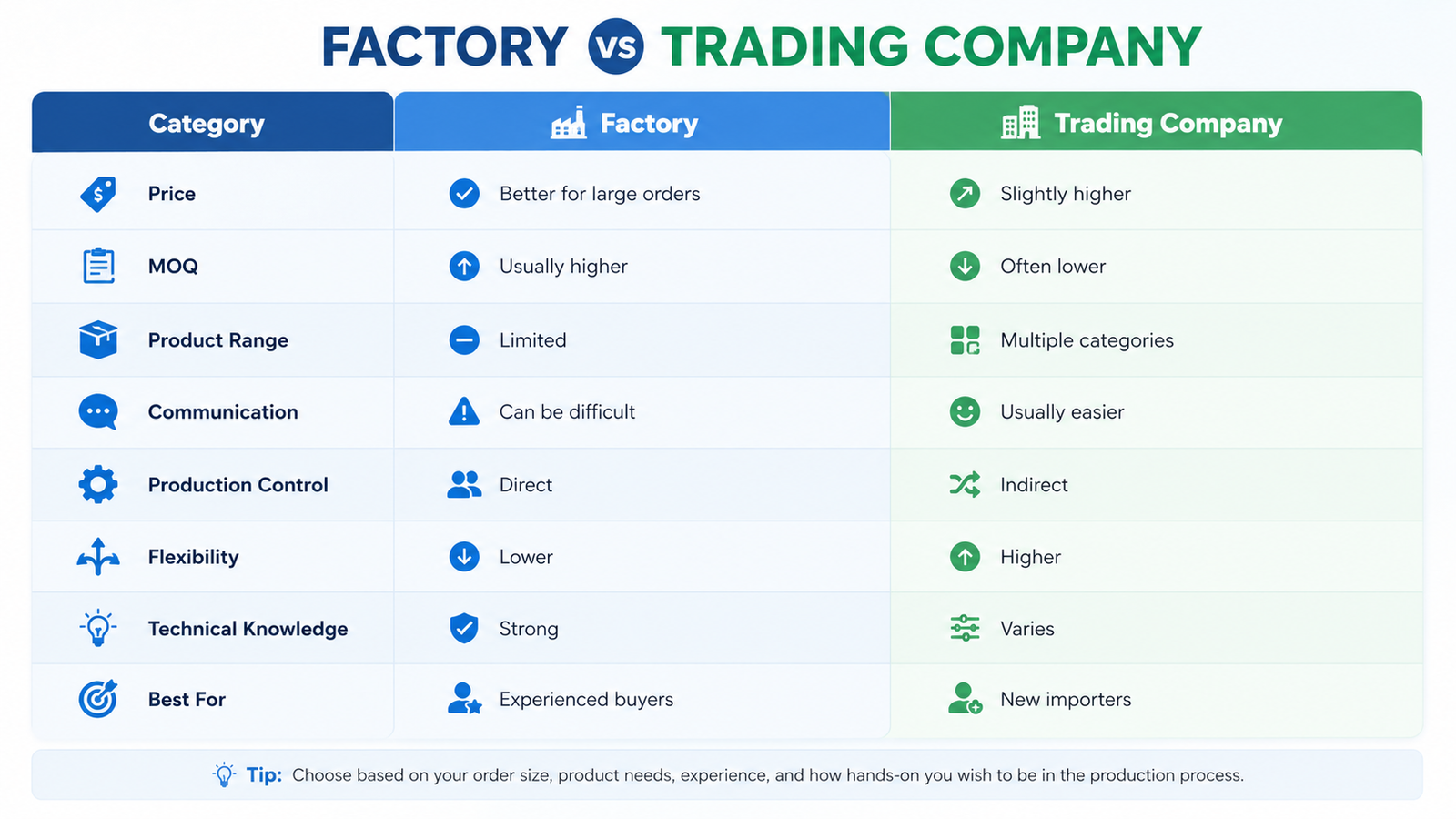
How to Choose Between a Factory vs Trading Company in China?
Every sourcing project is different.
A factory may be the best option for high-volume orders, while a trading company may provide more flexibility for startups and multi-product sourcing.
Not sure which option is right for your product?
👉 Contact Global Link for a free sourcing consultation and supplier assessment.
Real Factory and Trading Company Sourcing Examples
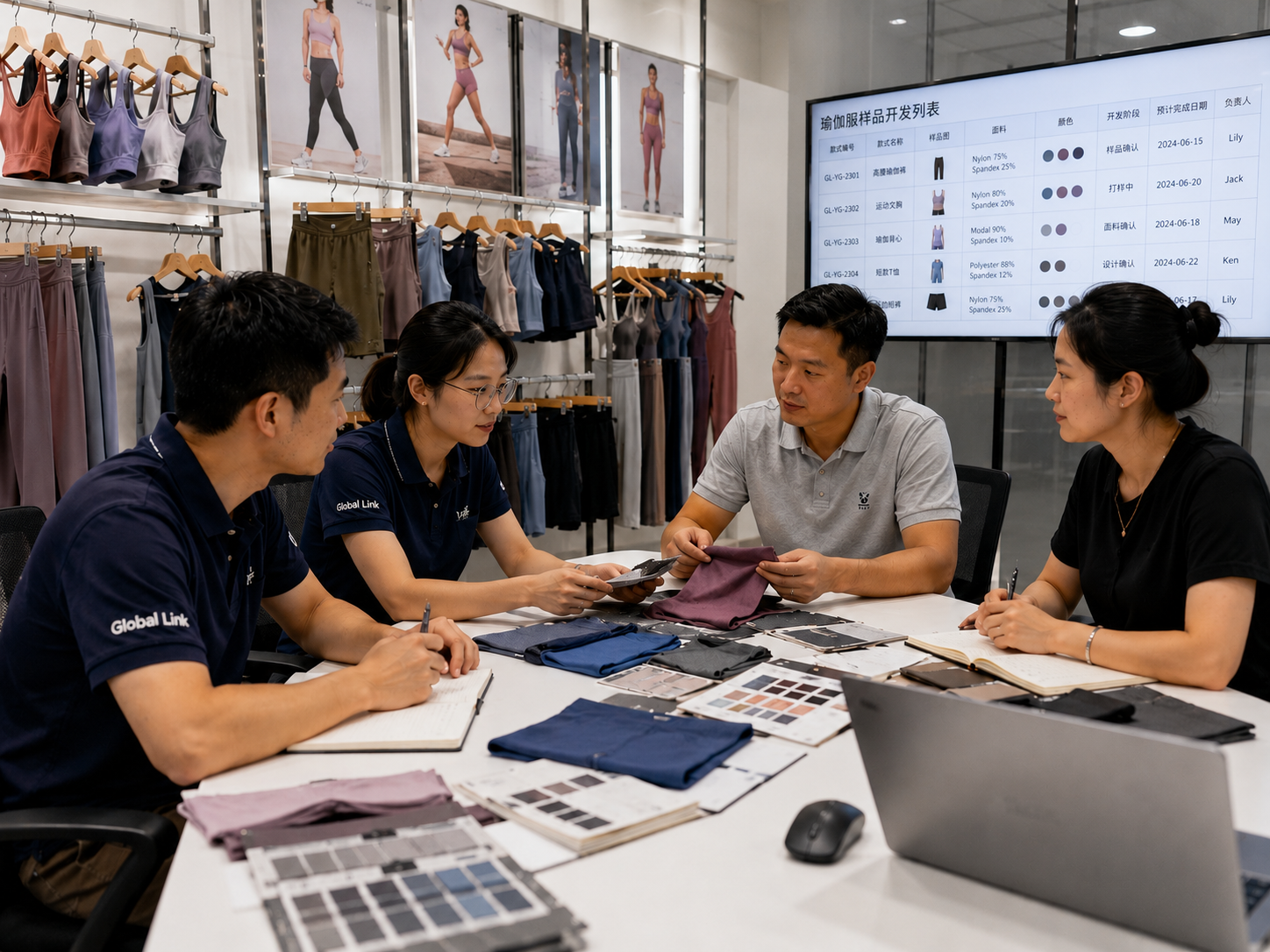
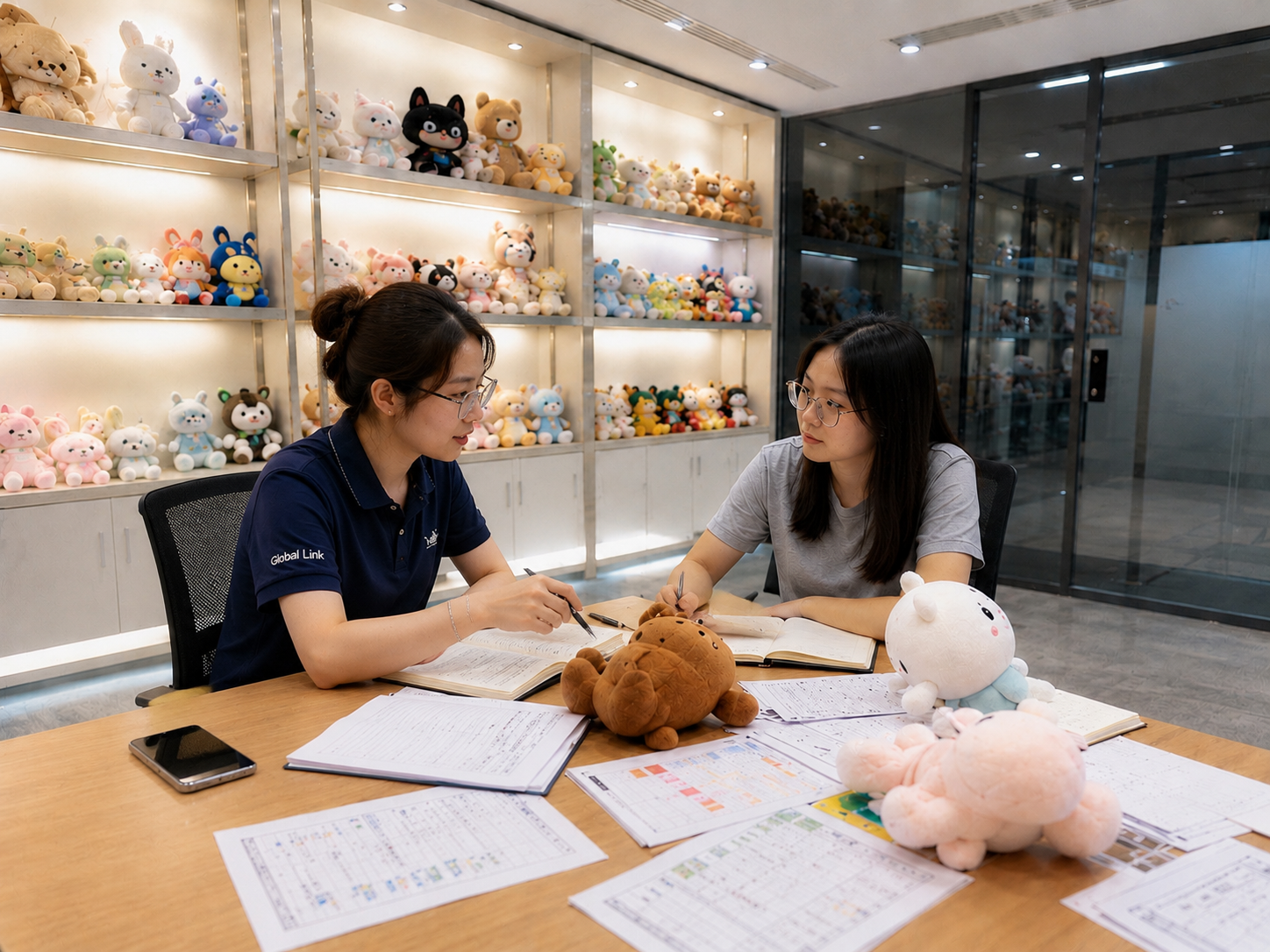
Many buyers focus only on price when comparing a factory and a trading company. However, real sourcing outcomes often depend on communication, transparency, quality control, and supplier management. The following examples illustrate how different sourcing approaches can impact project success.
Case 1: "Factory" That Wasn't a Factory
A buyer found a supplier online claiming to own a factory.
After paying a deposit and visiting China, the buyer discovered the supplier was actually a middleman.
The issue wasn’t that it was a trading company.
The problem was a lack of transparency.
Lesson: Honest suppliers clearly explain their role.
Case 2: Cheap Factory, Expensive Mistakes
A buyer selected a factory because its quotation was the lowest.
However, packaging instructions were misunderstood due to poor communication.
The result:
- Repacking costs
- Delivery delays
- Customer complaints
Lesson: The lowest price isn’t always the lowest cost.
Case 3: Trading Company Saved Time
A buyer needed:
- Drinkware
- Kitchen products
- Packaging
- Promotional items
Instead of managing four factories, a trading company coordinated everything.
The buyer paid a service fee but saved significant time and management effort.
Lesson: Convenience can be more valuable than small cost savings.
How to Verify a Factory, Trading Company, or Supplier in China
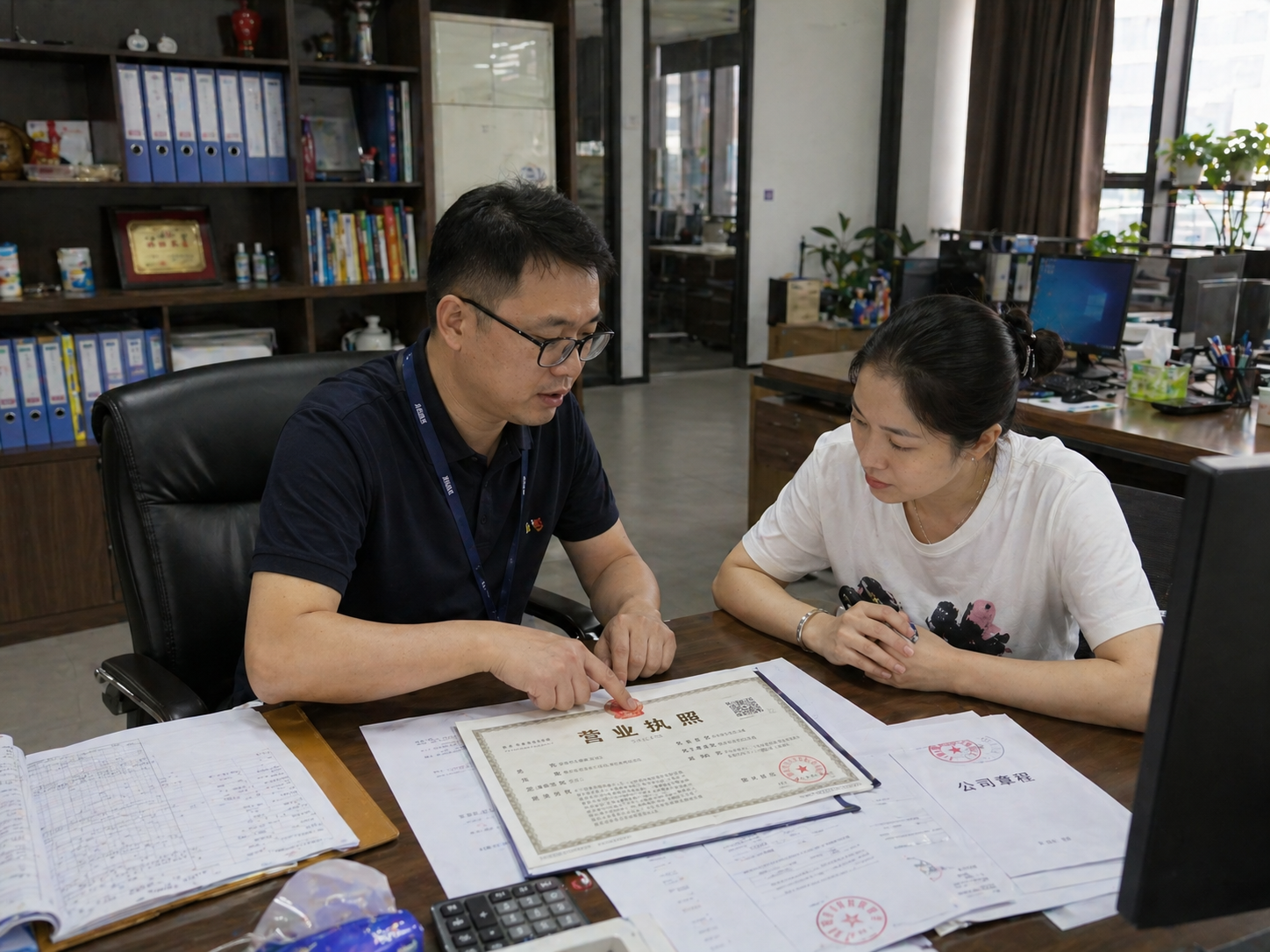
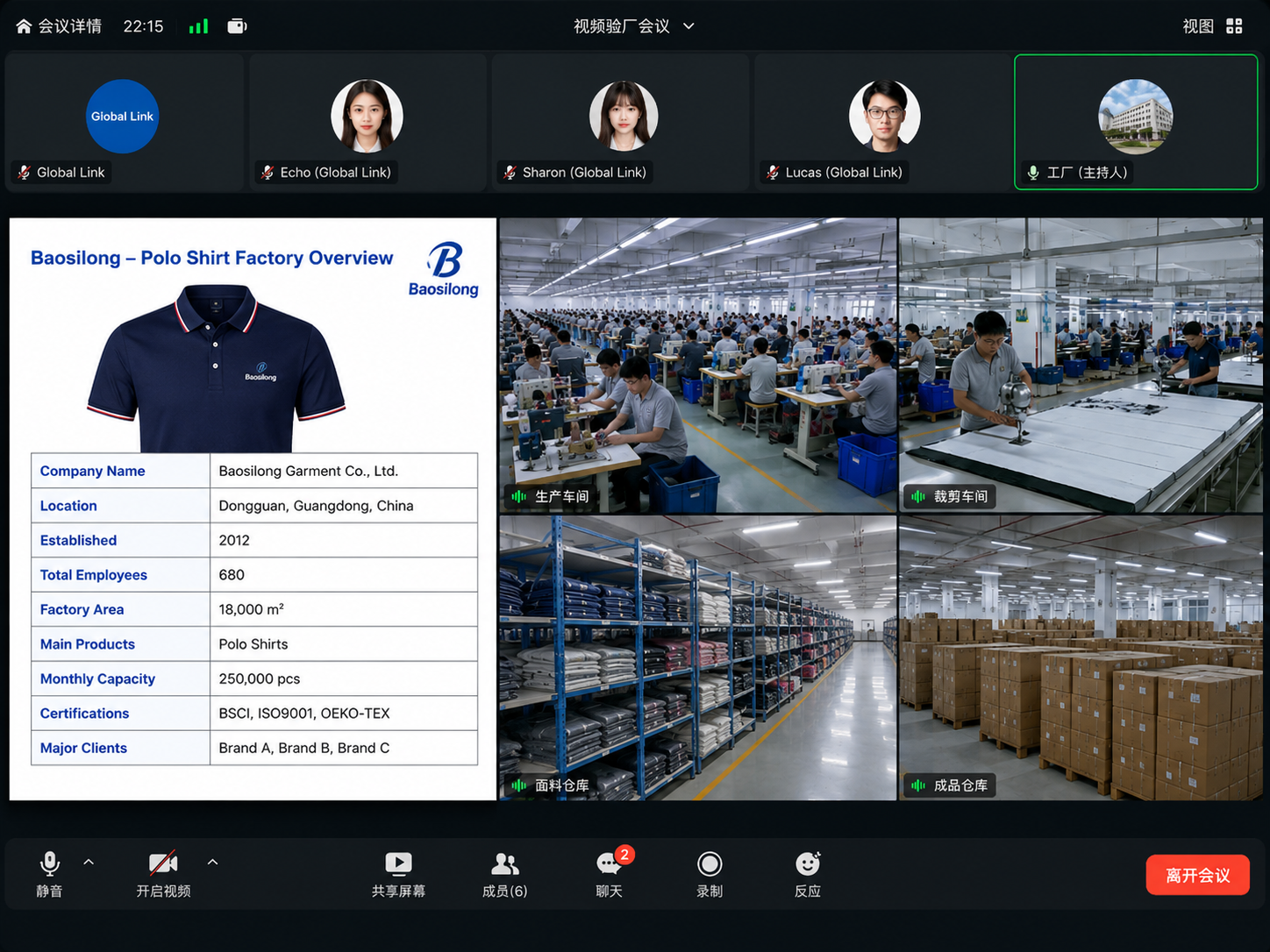
Whether you work with a factory or a trading company, supplier verification is essential.
1. Check Business License
Verify whether the company is registered as a manufacturer or trading company.
2. Verify Factory Address
Compare the address with official documents, Google Maps, and factory videos.
3. Request Live Video Calls
Ask suppliers to show:
- Production lines
- Warehouse
- Sample room
- Quality control area
4. Ask Technical Questions
Real factories usually have detailed answers regarding:
- Materials
- Machines
- Production process
- Lead times
5. Conduct a Factory Audit
For larger orders, a factory audit can verify:
- Production capacity
- Equipment
- Quality systems
- Factory legitimacy
Common Myths About Factories and Trading Companies
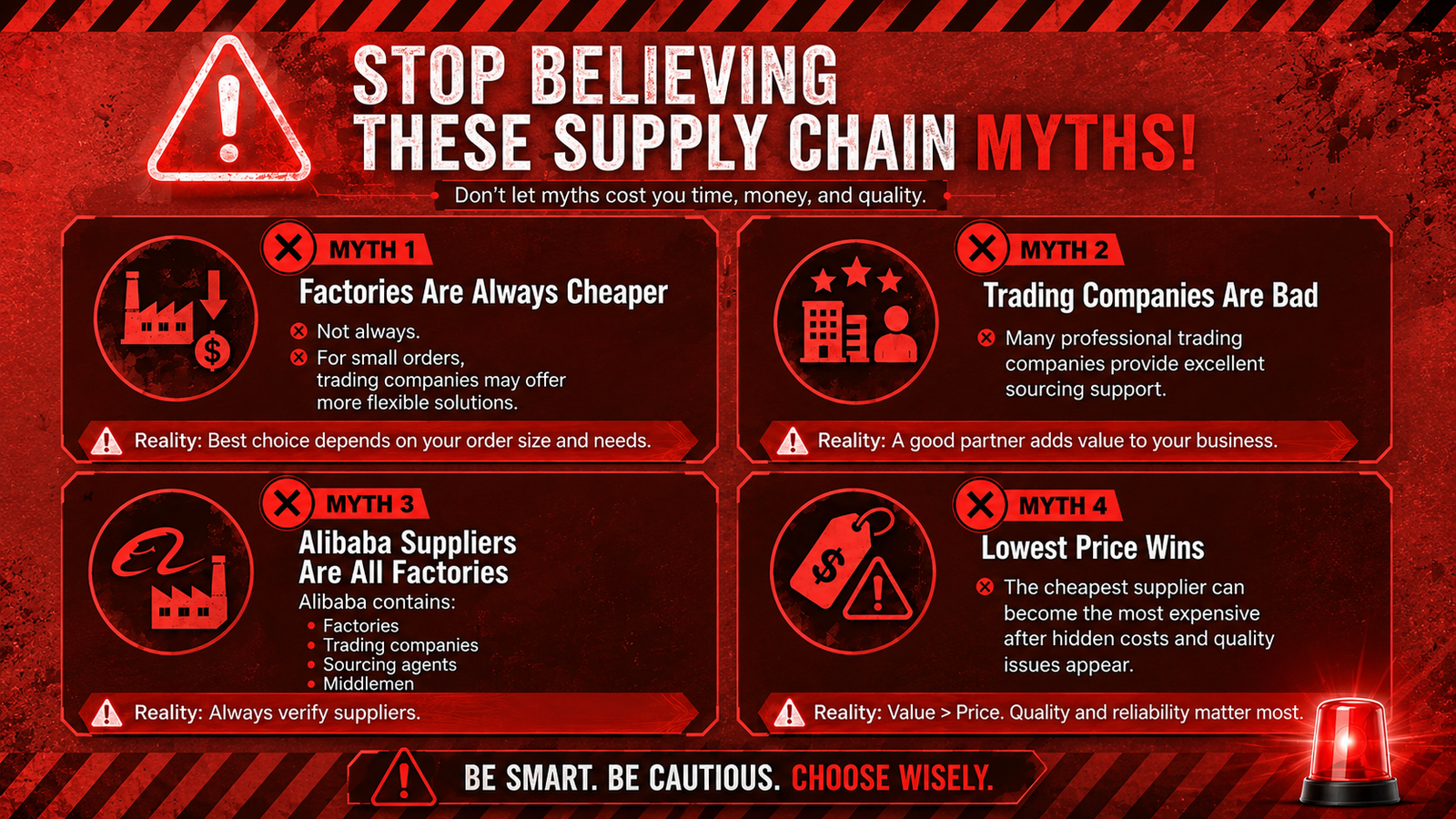
Myth 1: Factories Are Always Cheaper
Not always.
For small orders, trading companies may offer more flexible solutions.
Myth 2: Trading Companies Are Bad
Many professional trading companies provide excellent sourcing support.
Myth 3: Alibaba Suppliers Are All Factories
Alibaba contains:
- Factories
- Trading companies
- Sourcing agents
- Middlemen
Always verify suppliers.
Myth 4: Lowest Price Wins
The cheapest supplier can become the most expensive after hidden costs and quality issues appear.
Warning Signs When Choosing a Factory or Trading Company
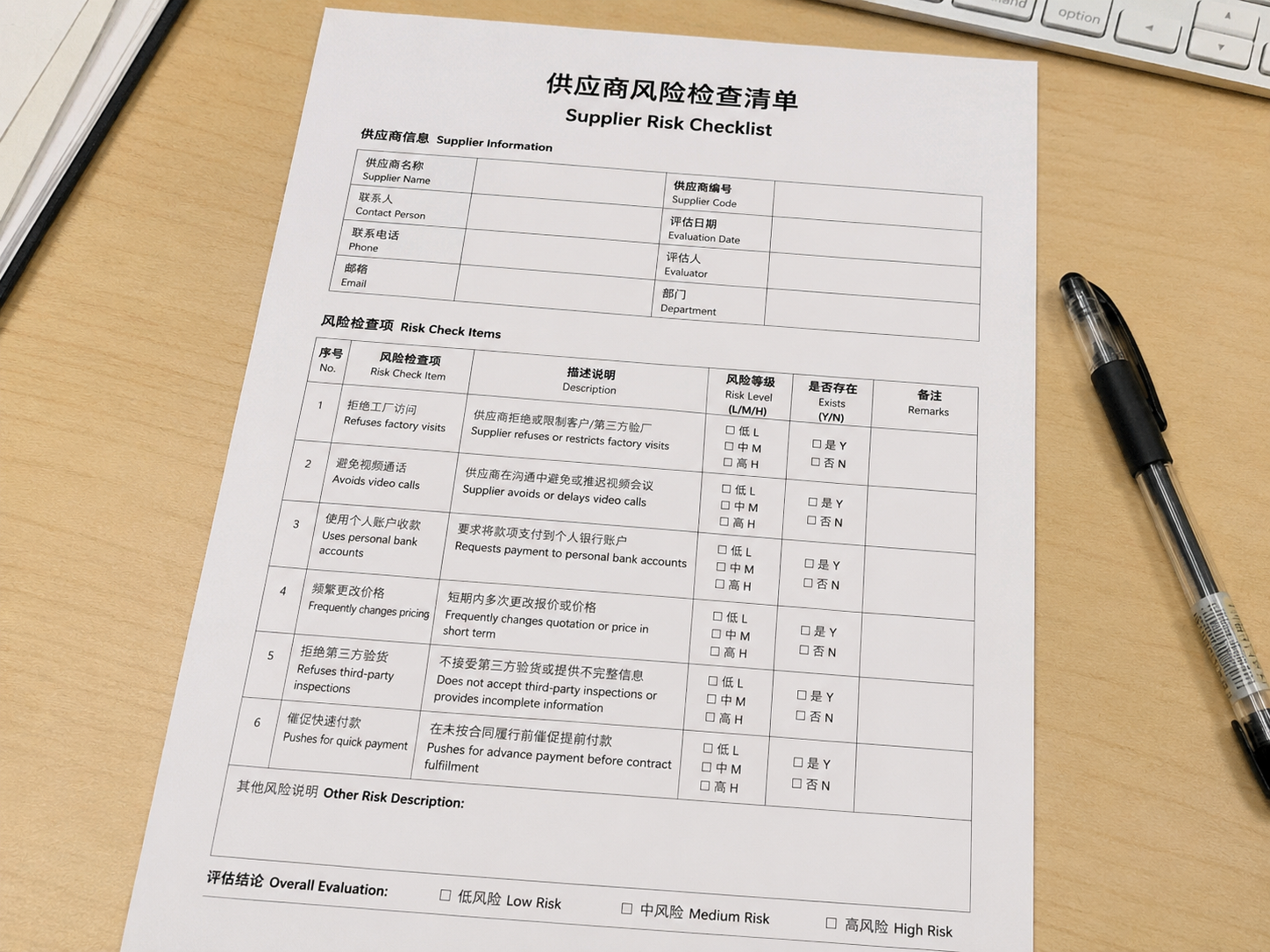
Be cautious if a supplier:
- Refuses factory visits
- Avoids video calls
- Uses personal bank accounts
- Frequently changes pricing
- Refuses third-party inspections
- Pushes for quick payment
These are warning signs that require additional verification.
Why Factory Visits Matter When Sourcing in China
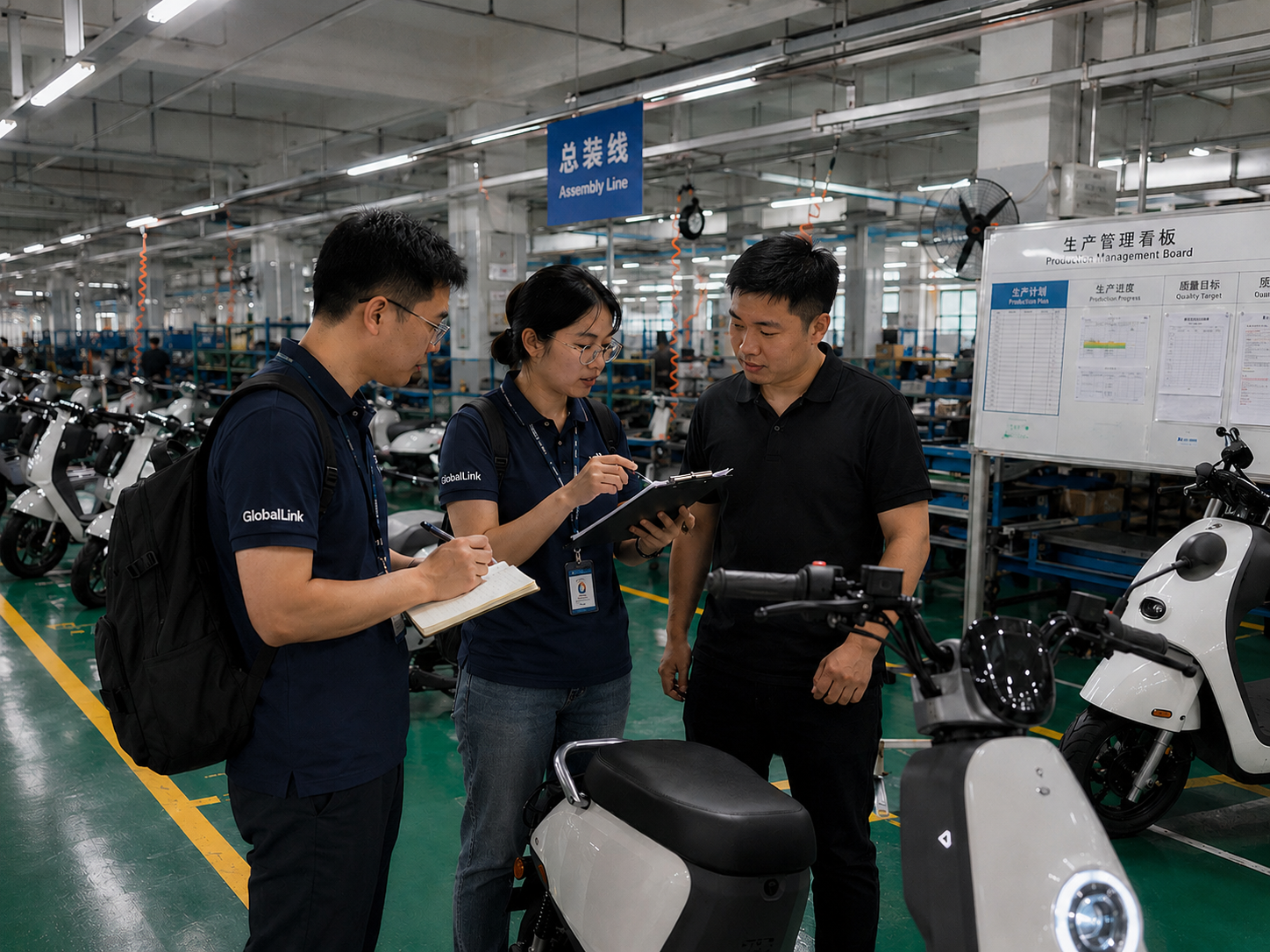
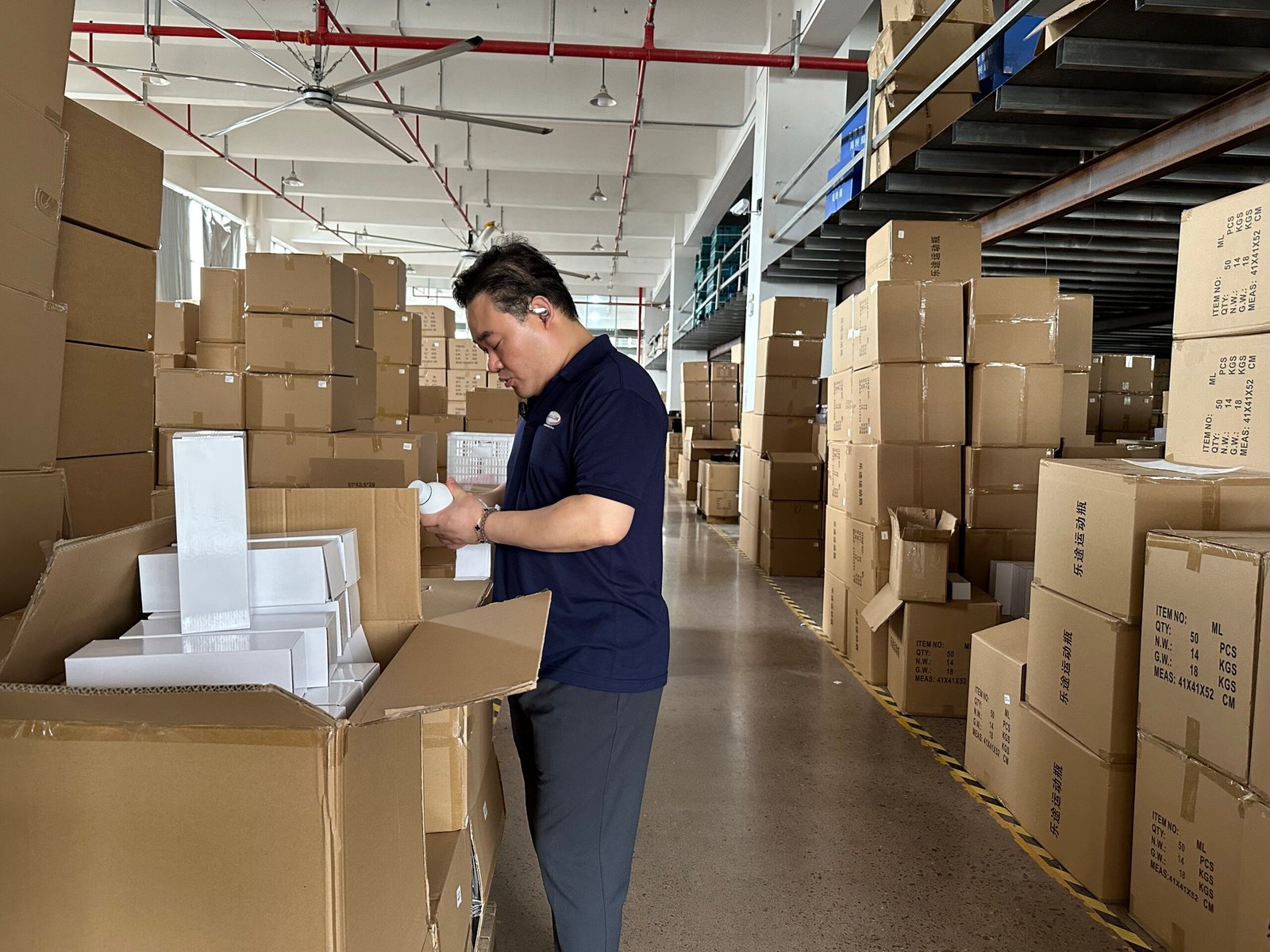
Photos and online profiles can be misleading.
A factory visit helps verify:
- Factory existence
- Production capability
- Quality management
- Equipment condition
- Order capacity
For overseas buyers, visiting every supplier is unrealistic.
This is why many companies work with a local China sourcing company to conduct supplier verification and factory audits.
How Global Link Helps Buyers Source from China
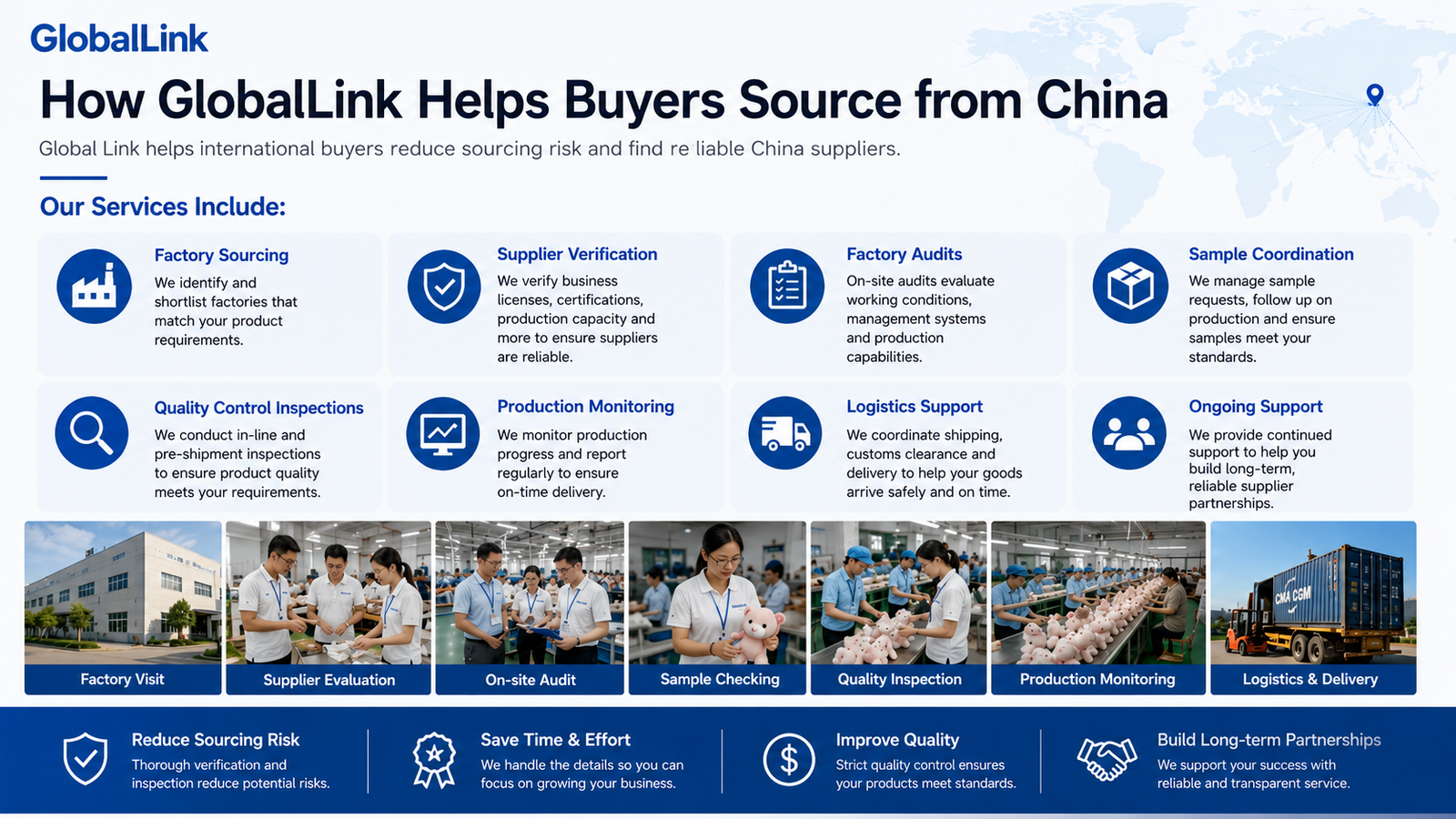
Global Link helps international buyers reduce sourcing risk and find reliable China suppliers.
Our services include:
- Factory sourcing
- Supplier verification
- Factory audits
- Sample coordination
- Quality control inspections
- Production monitoring
- Logistics support
Unlike companies relying only on online research, our team regularly visits factories throughout China to evaluate real production capabilities.
Whether you are sourcing your first product or expanding your supplier network, we help make sourcing from China safer, easier, and more efficient.
Factory vs Trading Company: Final Thoughts
The question is not:
“Factory or Trading Company?”
The real question is:
“Which supplier is right for my business?”
A reliable factory can help your business grow.
A professional trading company can do the same.
The key is choosing a supplier that is transparent, capable, and aligned with your sourcing goals.
If you need help with supplier verification, factory audits, or sourcing from China, Global Link is ready to help.
Need Help Finding Reliable Suppliers in China?
📦 Factory Sourcing
🏭 Factory Audits
🔍 Supplier Verification
✅ Quality Inspections
🚢 Logistics Support
Talk to a China Sourcing Expert Today