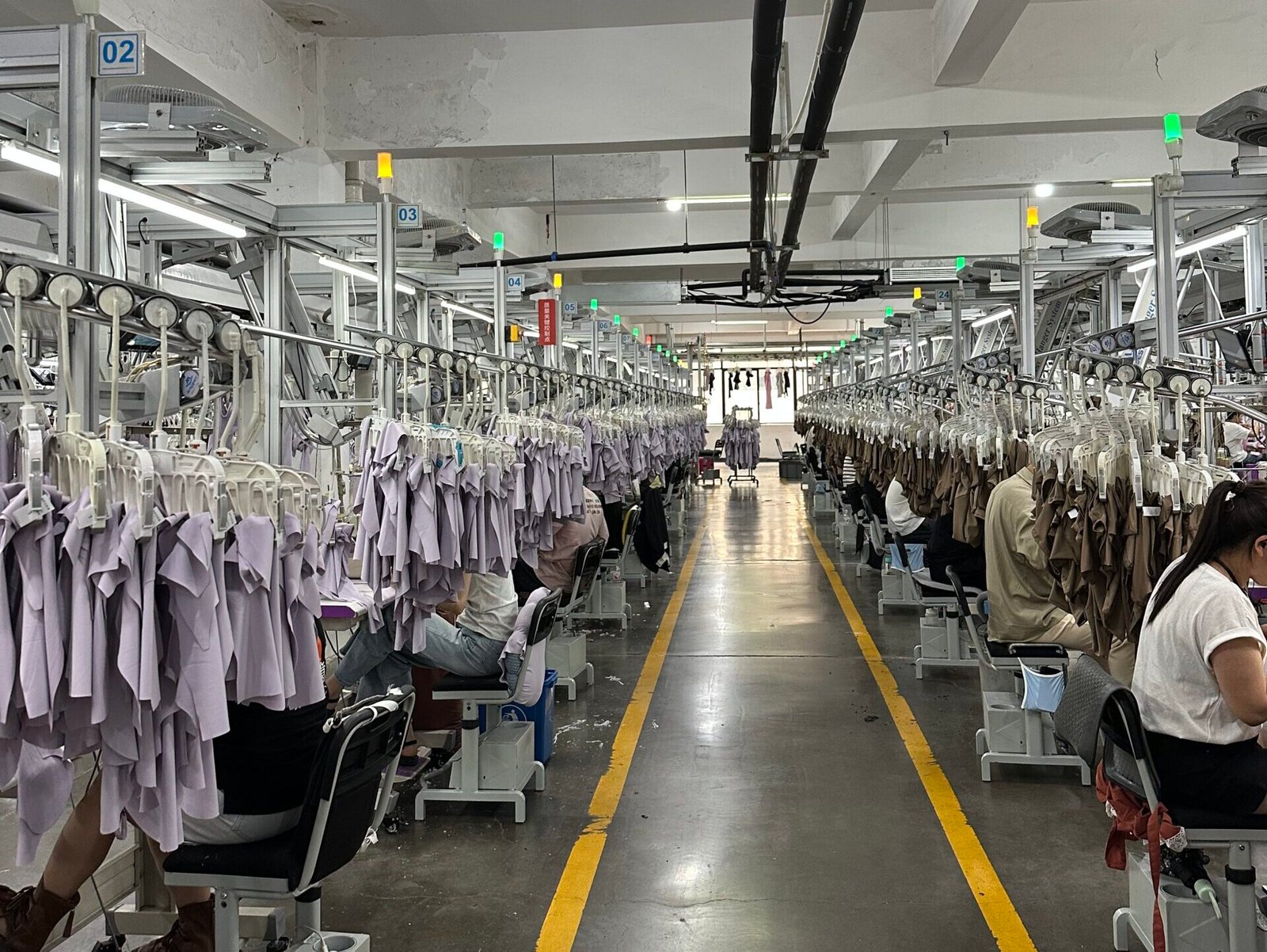
Choosing the right yoga wear manufacturer in China can have a major impact on product quality, inventory planning, customer satisfaction, and long-term brand growth.
China remains one of the world’s leading production hubs for activewear, but not every yoga wear manufacturer in China offers the same production capability., quality standards, or production flexibility.
Before placing an order, buyers should ask five essential questions to reduce sourcing risks and make smarter purchasing decisions.
Why Asking the Right Questions Matters
However, successful sourcing requires evaluating much more than unit cost.
Choosing the wrong supplier may lead to:
- Delayed production
- Poor fabric quality
- Inventory pressure
- Inconsistent logo application
- Customer complaints
- Expensive product returns
By asking the right questions early, brands can avoid costly mistakes and build stronger supplier relationships.
1. What Is Your MOQ Requirement?
When comparing a yoga wear manufacturer in China, always ask about MOQ.
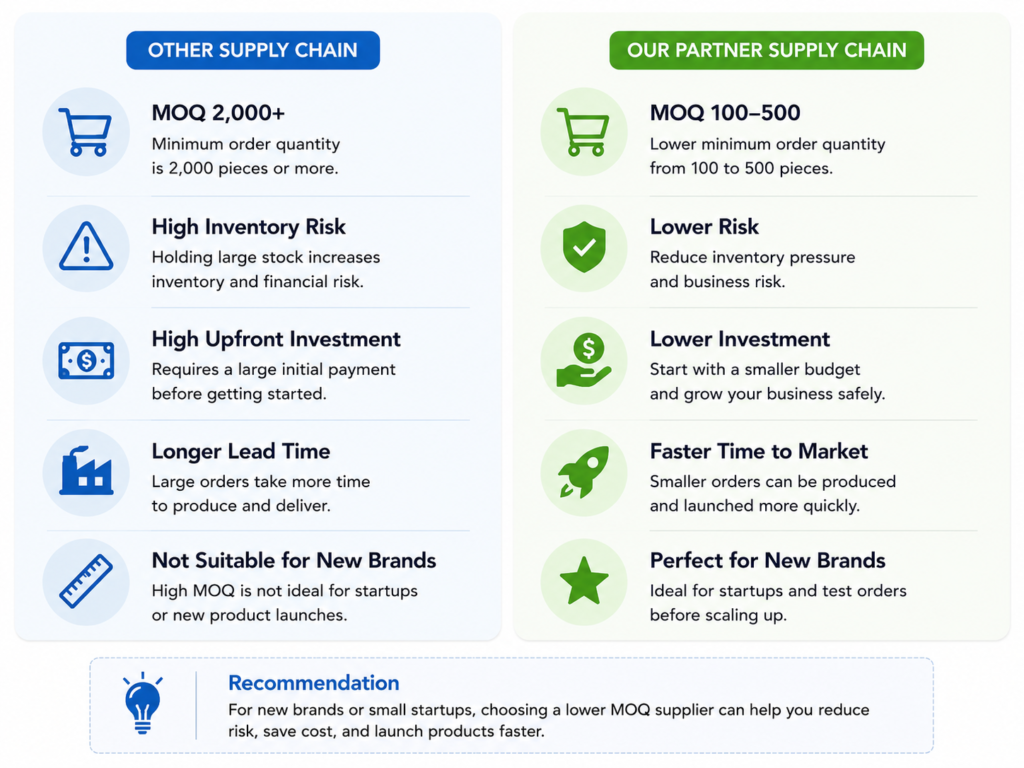
MOQ (Minimum Order Quantity) is often the biggest concern for startups, boutique brands, and growing activewear businesses.
Some factories may require over 2,000 pieces per color, while others support low-MOQ private label programs.
Before moving forward, buyers should clarify:
- Sample MOQ
- Production MOQ
- MOQ per color
- MOQ per size
- MOQ for packaging
- MOQ for logo printing
Flexible MOQ policies allow brands to launch faster while reducing inventory risk.
Questions to Ask
• Can you support low-MOQ production?
• What is your MOQ for custom branding?
• Do you accept mixed-color orders?
2. What Fabric Materials Do You Use?
Fabric quality directly affects comfort, durability, and customer retention.
Premium yoga apparel typically uses nylon and spandex blends because they offer:
- Better elasticity
- Moisture management
- Soft hand feel
- Excellent recovery performance
Buyers should request detailed fabric specifications, including:
• Fabric composition
• GSM information
• Stretch performance
• Pilling resistance
• Colorfastness testing
Common options include:
| Fabric Type | Characteristics |
|---|---|
| 75% Nylon / 25% Spandex | Soft, premium feel |
| 80% Nylon / 20% Spandex | Higher compression |
| Polyester Blend | Cost-effective |
| Recycled Fabric | Sustainable option |
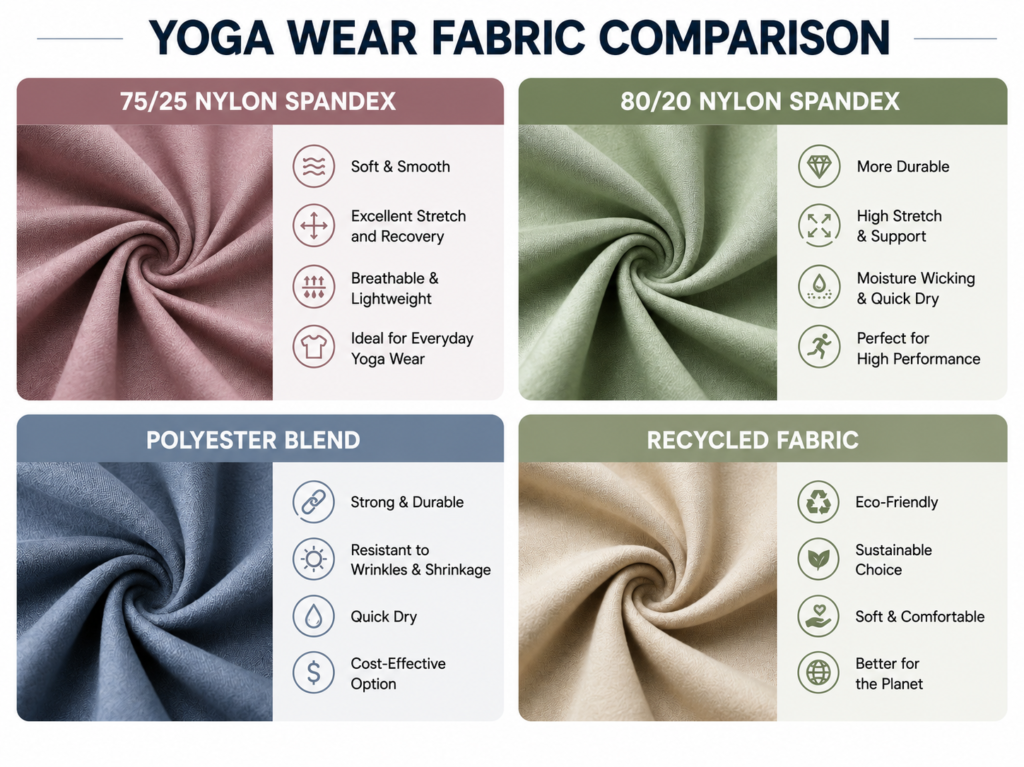
Understanding these specifications helps brands position products more effectively within their target market.
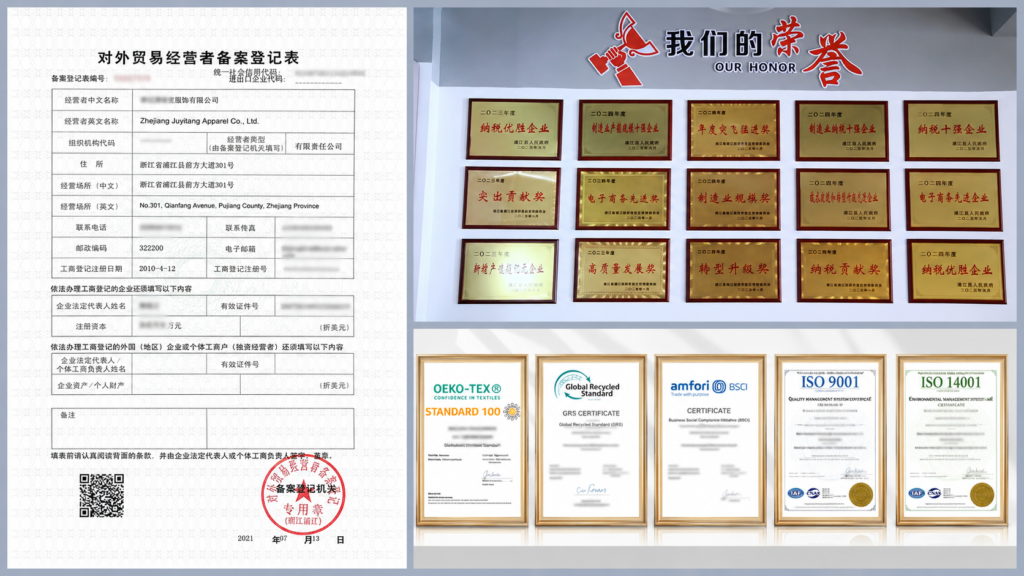
3. Do You Have Relevant Certifications?
Certifications improve buyer confidence and support international market expansion.
Depending on your customers, compliance standards may be necessary.
OEKO-TEX®
Confirms textile materials have been tested for harmful substances.
GRS
Demonstrates the use of recycled materials. Supports sustainability initiatives.
BSCI
Indicates responsible social compliance practices.
Before production starts, buyers should verify certificates and request updated copies.
Questions to Ask
• Are certificates currently valid?
• Which product categories are covered?
• Can testing reports be provided?
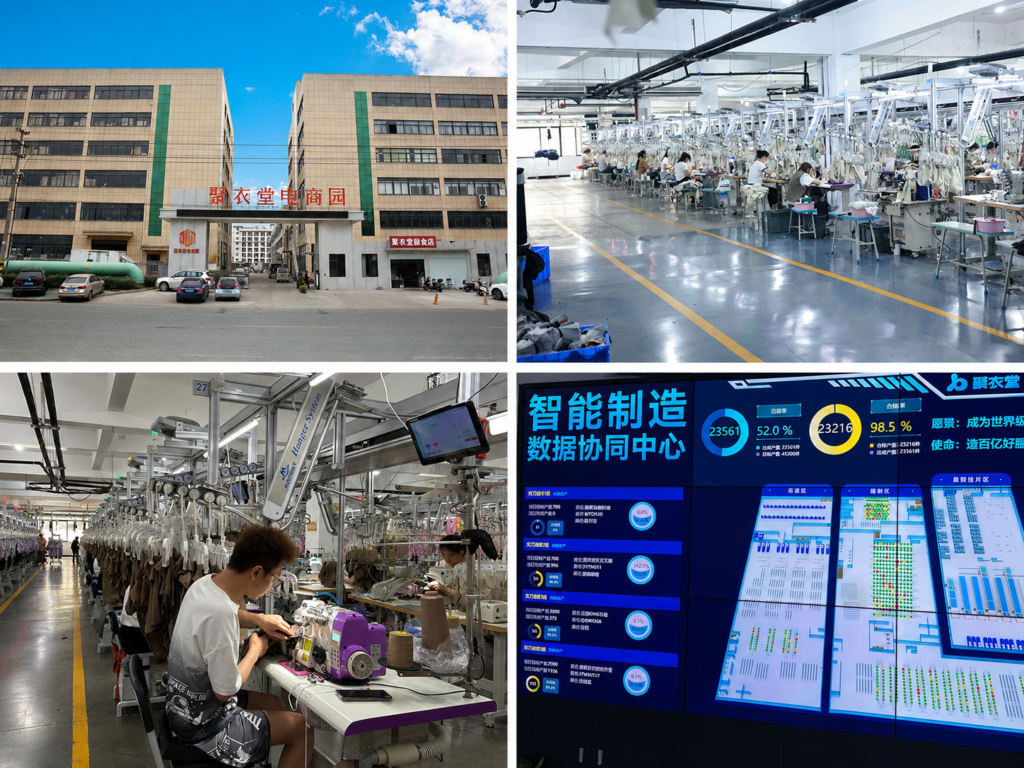
4. What Is Your Production Capacity?
A professional yoga wear manufacturer in China should provide transparent production capacity.
Many factories produce impressive samples but struggle with bulk production.
Production capacity becomes especially important during peak seasons.
Ask suppliers:
- How many sewing lines do you operate?
- What is your monthly output?
- What are your average lead times?
- How are urgent orders handled?
- Do you have backup facilities?
Understanding production capability helps buyers maintain stable inventory levels and scale product lines confidently.
5. How Do You Control Quality?
Quality management should never be treated as an afterthought.
Buyers should understand the supplier’s inspection system before production begins.
A strong quality control process typically includes three stages.
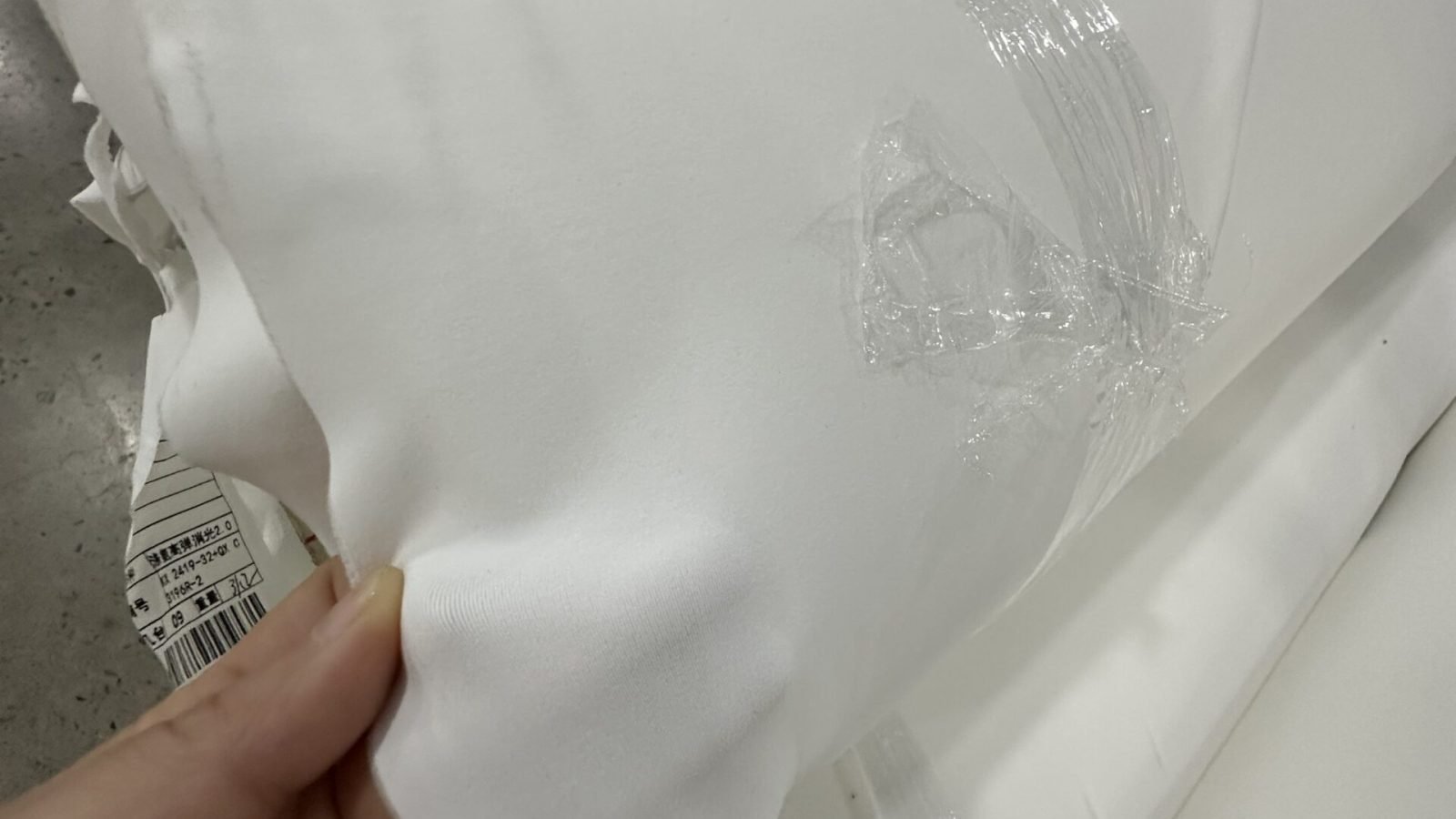
Incoming Inspection
Raw fabrics, accessories, labels, and trims are inspected before entering production.
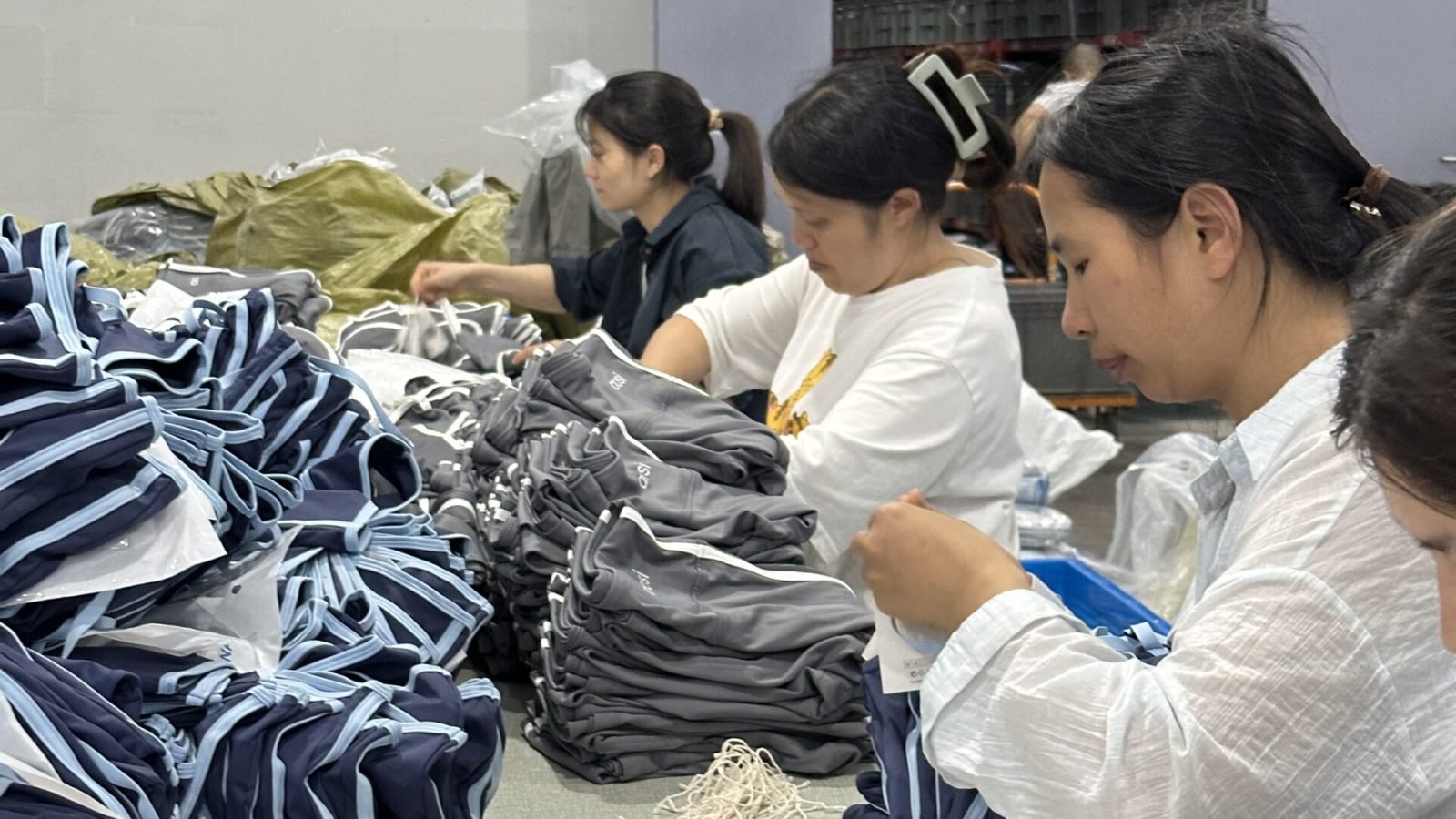
Inline Inspection
Defects are identified during sewing rather than after completion.
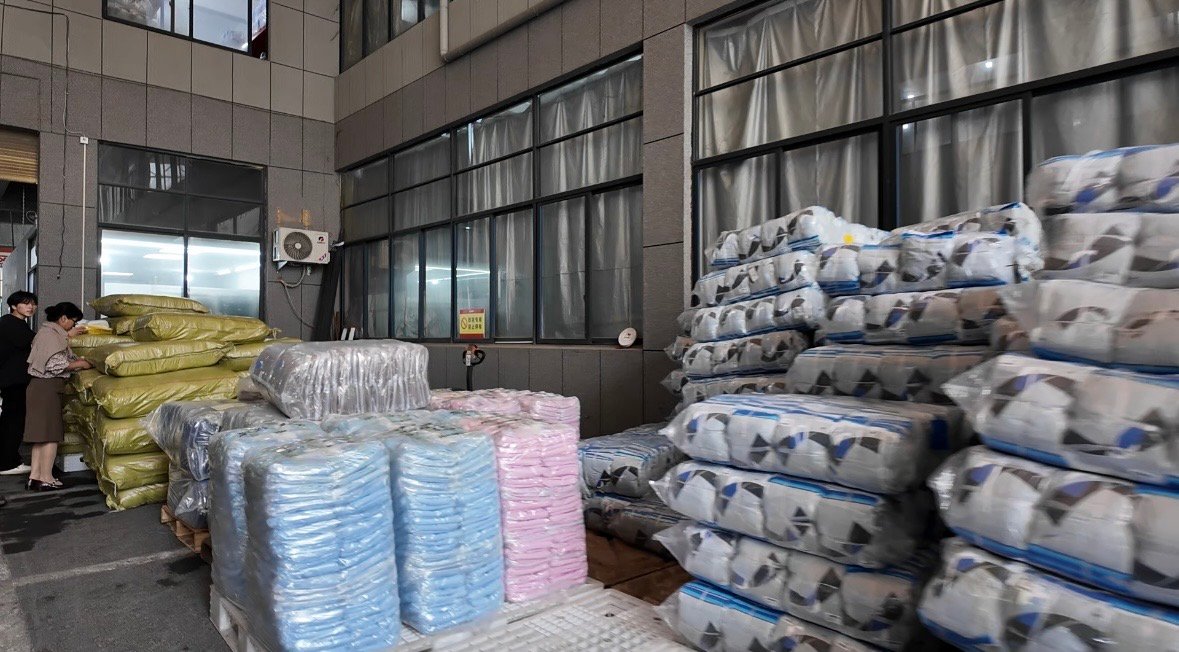
Final Inspection
Finished products are checked before shipment.
Common inspection checkpoints include:
- Measurements
- Stitching quality
- Logo placement
- Packaging accuracy
- Label verification
- Quantity confirmation
Many importers also request third-party inspections using AQL sampling standards.
Effective quality control helps reduce returns, customer complaints, and hidden operational costs.
Supplier Checklist Before Ordering Yoga Wear in China
Before selecting a manufacturer, confirm the following:
□ MOQ requirements
□ Fabric specifications
□ Certification validity
□ Monthly production capacity
□ Lead times
□ Quality procedures
□ Packaging capability
□ Logo application options
□ Inspection reports
□ Export experience
Final Thoughts
Choosing a yoga wear manufacturer should involve much more than comparing prices.
Reliable sourcing decisions depend on understanding:
✔ MOQ flexibility
✔ Fabric performance
✔ Compliance standards
✔ Production capability
✔ Quality management systems
By asking these five questions early, buyers can reduce uncertainty, avoid expensive mistakes, and establish long-term supplier relationships.
At Global Link, we help importers verify factories, assess production capability, inspect quality, and manage sourcing projects throughout China.
Looking for a Reliable Yoga Wear Manufacturer?
Global Link provides:
✔ Supplier Comparison
✔ Production Monitoring
✔ Container Loading Supervision
✔ Shipping Coordination
Ready to Source Yoga Wear from China?
Global Link helps buyers find a reliable yoga wear manufacturer in China.