Introduction
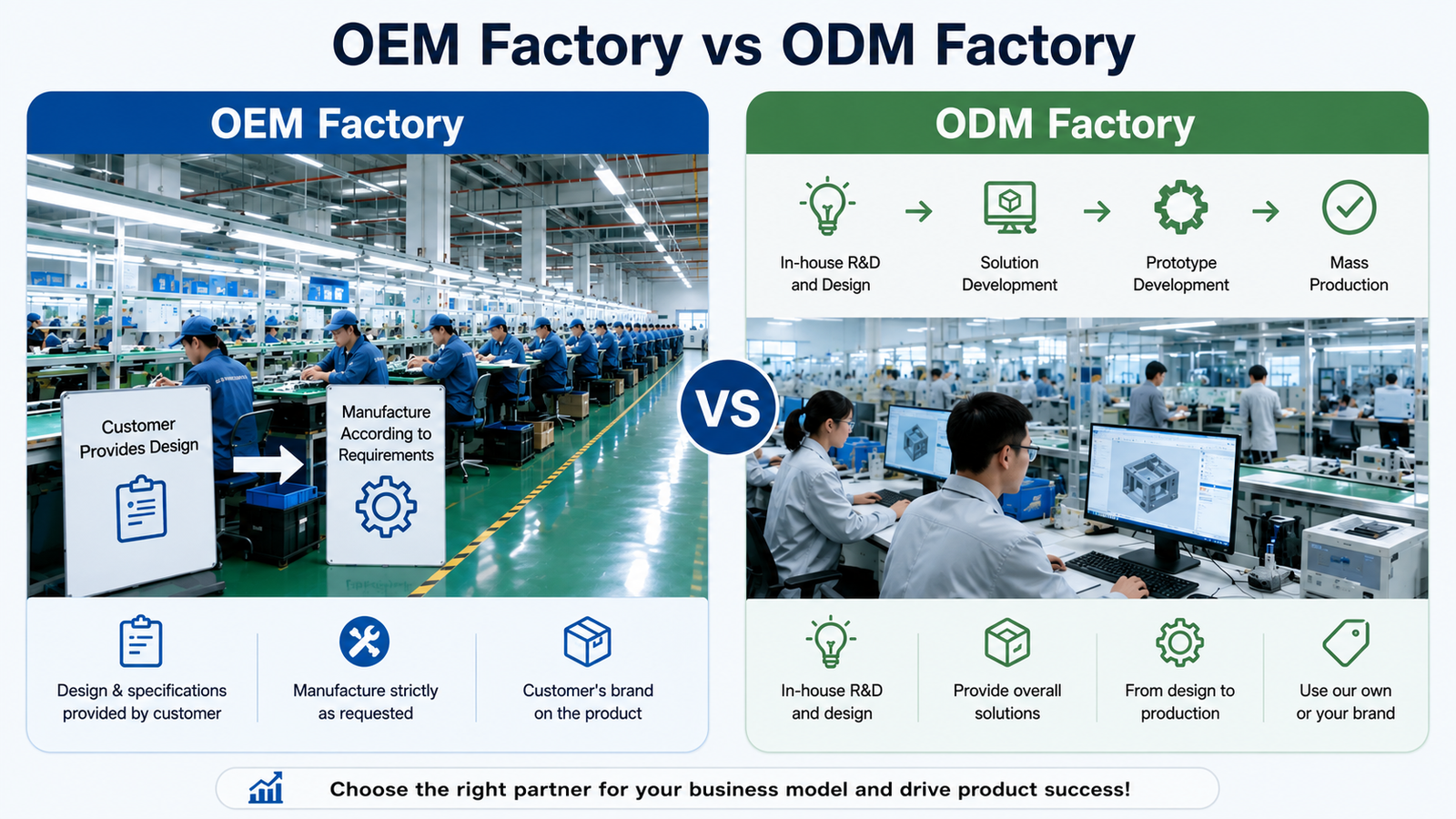
OEM vs ODM Manufacturing in China is one of the most important decisions importers, Amazon sellers, Shopify brands, and private label businesses face when sourcing products from China.
Understanding the difference between OEM vs ODM Manufacturing in China can help buyers reduce sourcing risks, manage MOQ requirements, and build stronger brands.
Choosing the right manufacturing model affects product costs, MOQ requirements, product differentiation, lead times, and long-term business growth.
Many buyers ask:
Which option is better, OEM or ODM?
The truth is that there is no universal answer. The best choice depends on your budget, business goals, product category, and stage of growth.
In this guide, we explain the differences between OEM and ODM manufacturing and help you determine which option is best for your business.
What Is OEM Manufacturing?
OEM stands for Original Equipment Manufacturer.
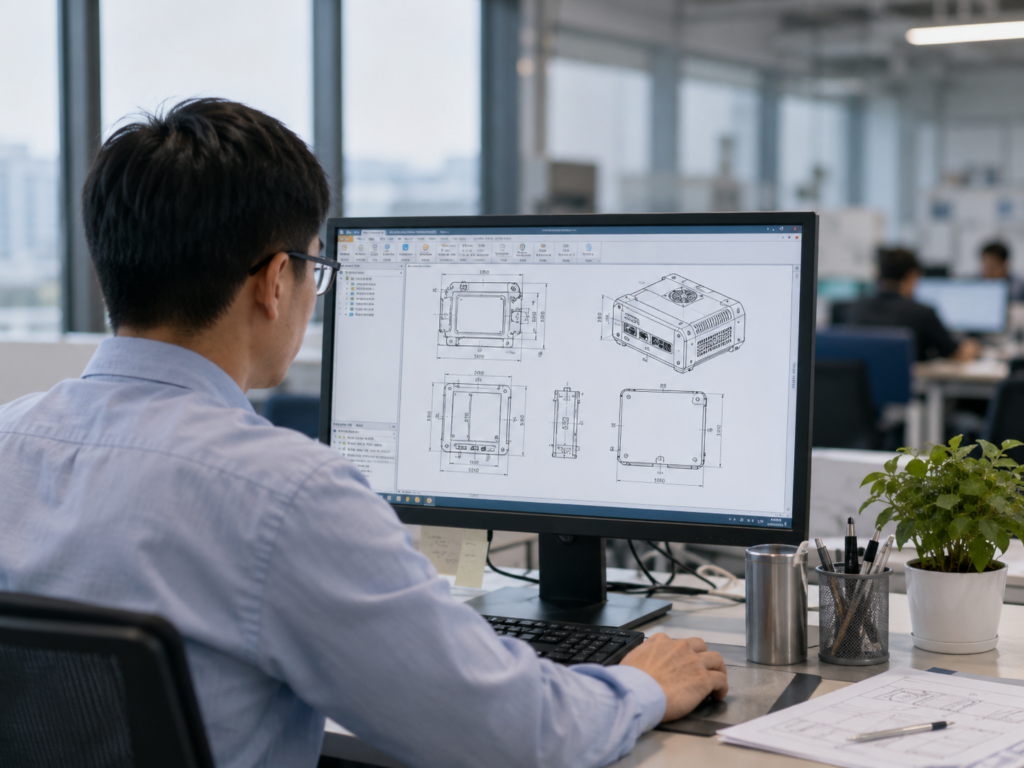
In an OEM project, the buyer provides the product concept, specifications, materials, or design requirements, while the factory manufactures the product according to those specifications.
OEM is commonly used by brands that want to create unique products and establish long-term competitive advantages.
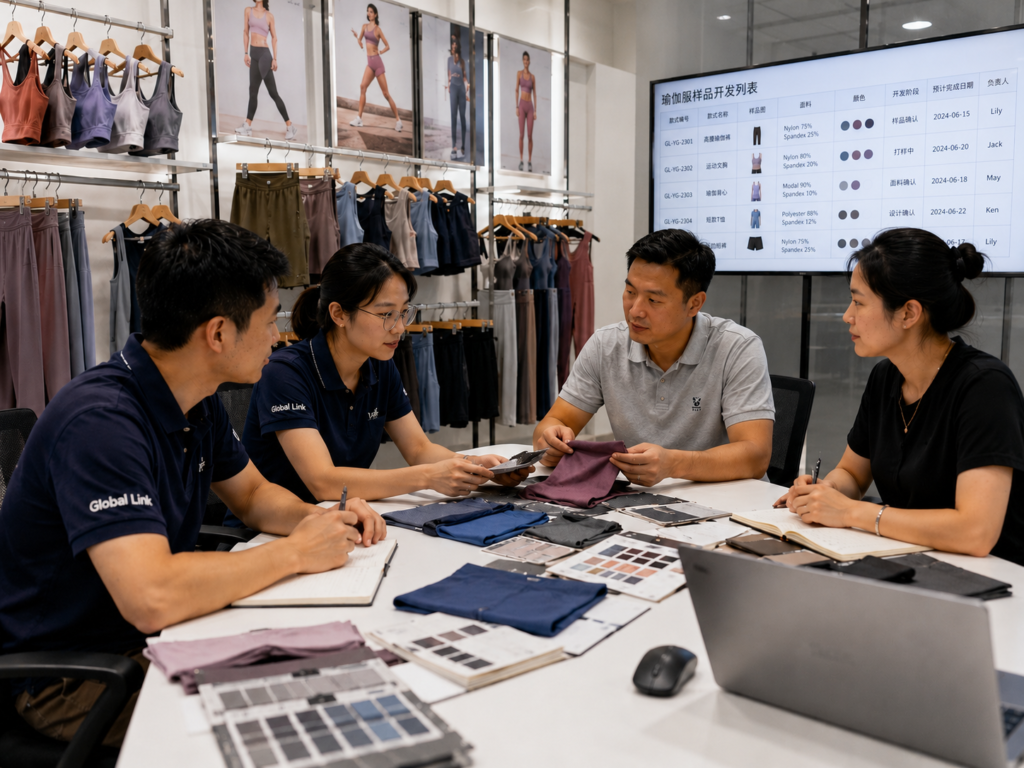
For example, an activewear brand may require:
- Custom fabric compositions
- Exclusive patterns
- Special performance features
- Customized packaging
- Unique product designs
In this case, the factory produces the product specifically for the buyer’s brand.
Advantages of OEM Manufacturing
- Greater product differentiation
- Stronger brand identity
- More control over quality and specifications
- Higher long-term brand value
Challenges of OEM Manufacturing
- Higher development costs
- Higher MOQ requirements
- Longer product development timelines
- Increased business risk for new brands
What Is ODM Manufacturing?
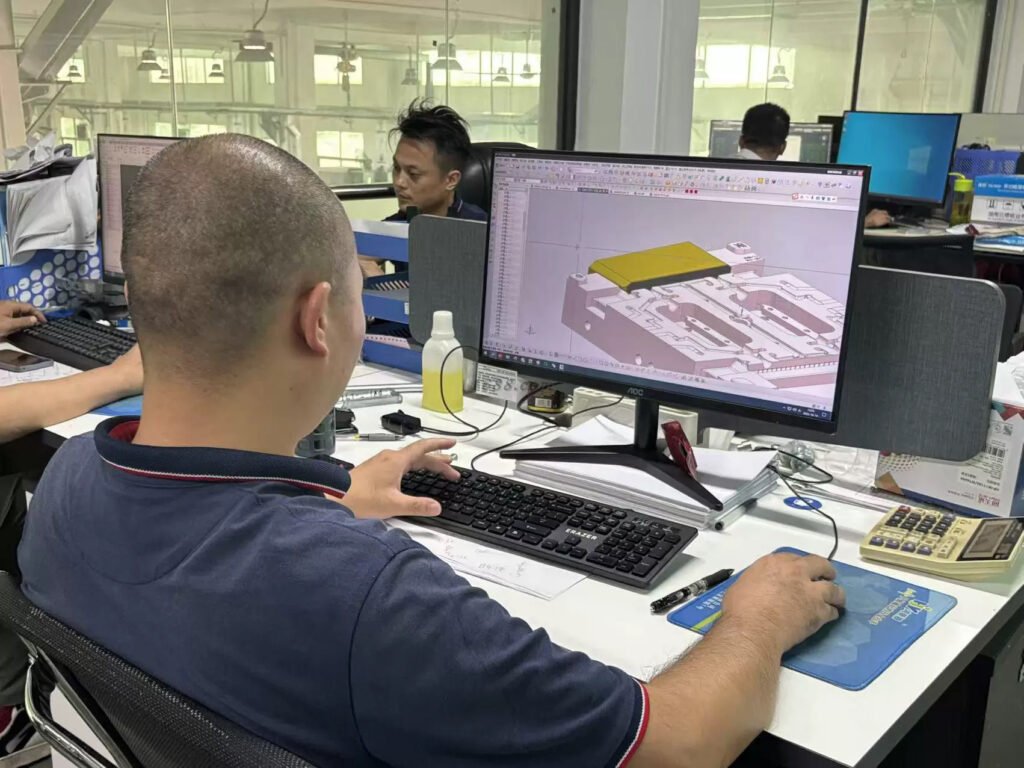
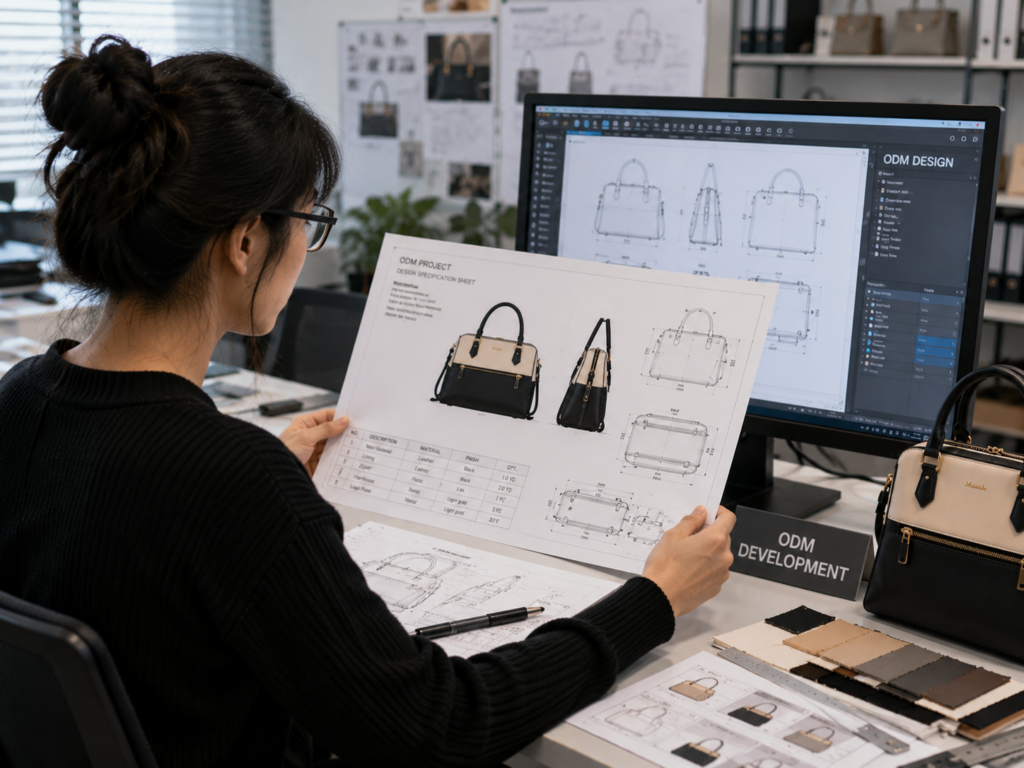
ODM stands for Original Design Manufacturer.
In an ODM model, the factory has already developed the product. Buyers simply select an existing product and customize branding, packaging, colors, or logos.
ODM is widely used by:
- Amazon sellers
- Shopify brands
- Startups
- Private label businesses
Because the product already exists, businesses can enter the market much faster.
Advantages of ODM Manufacturing
- Faster time to market
- Lower startup investment
- Lower MOQ requirements
- Reduced business risk
Challenges of ODM Manufacturing
- Less product uniqueness
- Limited customization options
- More competition from similar products
However, many successful brands compete through branding, customer experience, and marketing rather than product exclusivity alone.
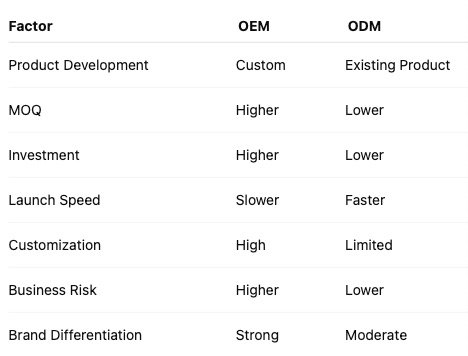
OEM vs ODM Manufacturing in China: Key Differences
Not Sure Whether OEM or ODM Is Right for Your Business?
Global Link helps importers, Amazon sellers, wholesalers, and private label brands evaluate suppliers, compare MOQ requirements, and choose the most suitable sourcing strategy.
Contact us today for a free sourcing consultation.
Why Many Successful Brands Start with ODM
One of the biggest mistakes new importers make is assuming they need a completely unique product from day one.
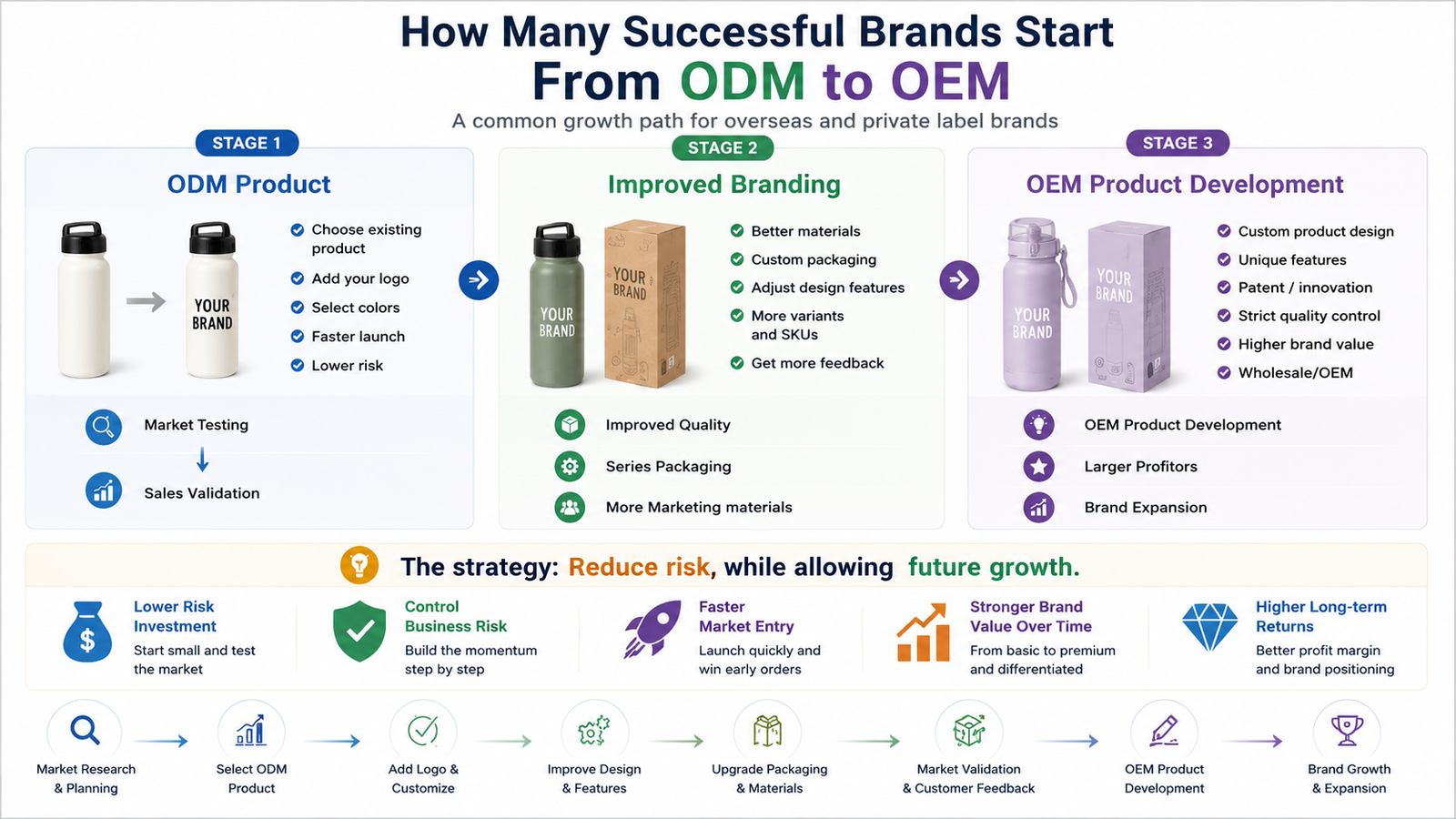
In reality, many successful brands follow a different path:
Stage 1: Start with ODM
Launch quickly with an existing product.
Stage 2: Validate Market Demand
Collect customer feedback and sales data.
Stage 3: Improve Branding
Invest in packaging, marketing, and customer experience.
Stage 4: Move to OEM
Develop unique products based on real market demand.
This strategy helps businesses reduce risk while building a sustainable brand.
Common Mistakes Buyers Make
Mistake 1: Assuming OEM Is Always Better
OEM is not automatically better. It simply serves a different purpose.
Mistake 2: Ignoring MOQ Requirements
Custom materials, packaging, and production setups often increase MOQ requirements significantly.
Mistake 3: Investing Before Validating Demand
Many businesses spend heavily on product development before confirming market demand.
Testing first often reduces risk and improves long-term results.
Choosing Between OEM vs ODM Manufacturing in China
| Business Type | Recommended Option |
| Amazon Seller | ODM |
| Shopify Startup | ODM |
| Small Budget Brand | ODM |
| New Private Label Business | ODM |
| Established Brand | OEM |
| Large Retailer | OEM |
| Premium Product Brand | OEM |
As a general rule:
- Choose ODM if you are entering the market.
- Choose OEM if you already understand customer demand and want stronger differentiation.
FAQ
OEM stands for Original Equipment Manufacturer.
ODM stands for Original Design Manufacturer.
ODM is usually less expensive because development costs are already covered.
ODM generally offers lower MOQ requirements.
Yes. This is one of the most common growth paths for successful brands.
We assist buyers with:
- Supplier sourcing
- Supplier verification
- Factory audits
- MOQ negotiation
- Sample management
- Production monitoring
- Quality control
- Logistics coordination
Final Thoughts
There is no single answer to the OEM vs ODM question.
ODM often provides a faster and lower-risk path for new businesses, while OEM offers greater customization and long-term brand differentiation.
Many successful brands start with ODM products, validate demand, and later transition to OEM manufacturing.
The best strategy depends on your business goals, budget, and growth stage.
Ready to Source Products from China?
Whether you are launching a private label brand, sourcing ODM products, or developing OEM products, Global Link can help you find reliable suppliers and reduce sourcing risks.
Contact Global Link Today